
CPG Packaging Design Trends and Best Practices for Sales Growth
A CPG packaging design has just three seconds to capture a purchase since an IPSOS survey in 2018 revealed that 72% of consumers decide what to buy based on the packaging. In this case, strategic design for CPG (Consumer Packaged Goods) is a measurable tool for growth, as evidenced by high-stakes redesigns where failure results in significant sales loss.
Winning in 2025 requires balancing cutting-edge trends, such as sustainability and smart technology, with data-backed practices that directly improve consumer decision-making.
Key takeaways:
- Prioritize clarity, experience, and bold branding in designing CPG packaging to secure consumer trust and attention.
- CPG packaging is a measurable sales asset requiring rapid trust and conversion.
A Glimpse of What CPG Packaging Is
CPG (Consumer Packaged Goods) refers to fast-moving, low-cost products such as toiletries, snacks, and cleaning supplies. Meanwhile, the packaging design of CPG is the strategic process of optimizing the external look, feel, and messaging.
This concept is fundamentally a blend of functional requirements and consumer psychology. The key elements include container shape, color palettes, graphics, claims, and especially typeface/typography, which must align to create a clear, trustworthy impression at a glance.
Also Read: 10 Steps of How to Design Packaging that Functions and Sells
Sales-Focused Benefits of Good CPG Packaging
According to HubSpot, there was an increase of consumer interest to 30% when businesses showed strong attention to packaging. So, CPG packaging design is deemed a strategically crucial asset. They are actually essential for high-impact design yields and tangible commercial returns, as explained below.
1. Drives Sales and Market Share
Strategic CPG packaging design differentiates products, encourages impulse buys, and reinforces value, allowing brands to command a premium price.
2. Enhanced Trust and Perception
Packaging serves as a reliable signal of brand quality and values to foster loyalty. Conversely, visual confusion erodes consumer confidence.
3. Conversion in the Digital Aisle
As a potent digital thumbnail, packaging must be optimized for e-commerce. A successful unboxing experience is critical to fostering customer loyalty and encouraging repeat purchases.
4. Amplifies Sensory Appeal
Focusing on imagery that conveys taste or scent strongly correlates with sales performance, directly addressing the sensory experience consumers seek.
Also Read: 8 Recommended Packaging Design Software in 2025 for Everyone
2025 Trends and Innovations in CPG Packaging Design Shaping the Shelf
The next generation of packaging is defined by technology, values, and experience. The current key trends and innovation in CPG packaging fall on environmentally conscious practice to experimental experience.
1. Sustainability and Circularity

The industry is moving toward circular packaging and mono-materials to simplify recycling. Innovations include plant-based packaging, biodegradable films, and the broader use of carbon-neutral inks to minimize footprint.
2. Smart, Interactive, and Personalized Design
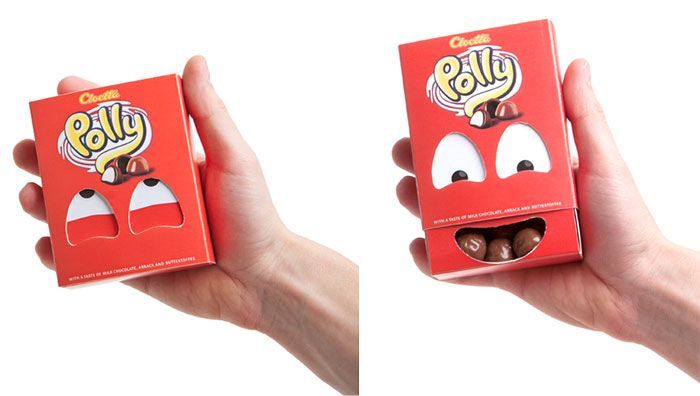
Packaging captivates through clever structural innovations like playful cutouts, transformable shapes, and multi-functional forms that surprise users. These creative designs extend usability beyond protection.
3. Modern Minimalism vs. The “Cool Factor”
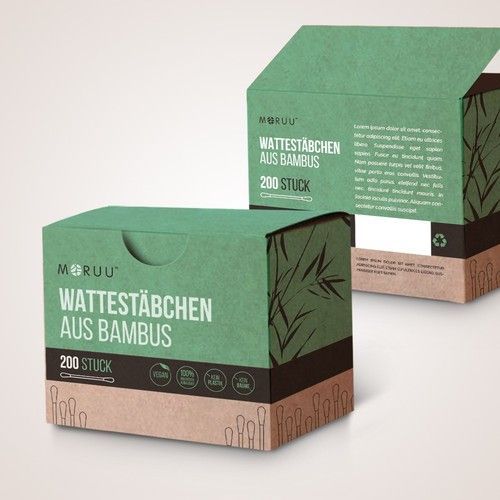
While minimalism emphasizes clarity through clean lines and simplified messaging, the contrasting “cool factor” trend uses disruptive visuals, bold typography, and unconventional formats (like chaos packaging) to maximize shelf impact and generate social media buzz.
4. Functionality, Freshness, and Wellness
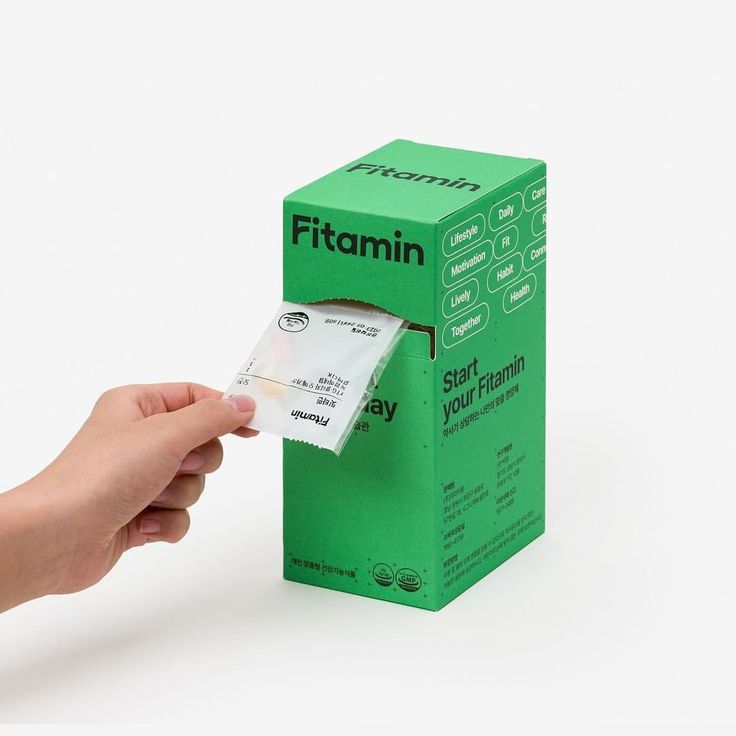
Packaging must support the rise of functional products (for health and wellness). This involves practical innovations like specialized dispensers and portion-controlled packs. Advanced freshness is achieved through Modified Atmosphere Packaging (MAP) and active antimicrobial barriers.
5. Sensory and Experiential Elements
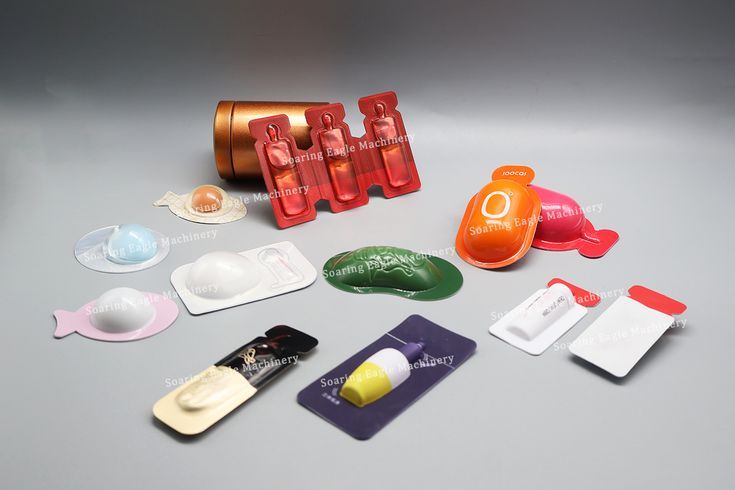
Design is engaging senses beyond sight. So, it’s natural to involve using tactile finishes (embossing) and experimenting with sensory elements, like subtle scents or distinctive opening sounds, and a visual temperature indicator to create a more memorable brand experience.
Also Read: 10 Business Growth Strategies for More Revenues and Profits
5 Essential Best Practices for CPG Packaging Design Success
Strategic design turns concepts into predictable commercial results by prioritizing consumer-centric execution. Here are the best practices for great CPG packaging design.
1. Start with Objective Feedback
Avoid relying on internal assumptions. Use consumer testing and research early and often to refine and validate design decisions against the market before launch.
2. Prioritize Clarity and Legibility
Remember that packaging design fundamentally must build trust quickly. Clear, readable typography and concise messaging are non-negotiable for quickly guiding consumer attention and belief.
3. Improve Communication of Top Purchase Drivers
Focus messaging on what consumers objectively value, not just what the brand thinks is important, since communication shapes experience. 73% of consumers say experience is a key factor in purchasing decisions, second only to price and product. This shows the correlation of communication experience with brand success.
4. Employ Consistent Branding
Utilizing enlarged logos and maintaining consistent visual identity, like font, logo, and color palettes, across the entire product portfolio rapidly builds awareness and brand confidence.
5. Calibrate Function with Creativity and Compliance
Utilize clear design and mind about how the CPG packaging design caters to usage, storage, and transport ease. It must also be adaptable to various product variations, environments, and marketing channels. Don’t forget about the labeling requirements. This means you must align it with valid law based on your industry and region.
Also Read: Top 10 Modern Typography Trends for Designers in 2025
Winning the Shelf Game with Strong Design
Effective CPG packaging requires blending innovative trends with data-driven best practices. The common thread across the push for minimalism, bolder branding, and clarity is high-impact and personality-driven design that caters to experience.
As you navigate this complex market, let HansCo Studio be your partner in CPG packaging design precision. We offer a curated library of fonts engineered for maximum legibility and emotional resonance, ensuring your packaging cuts through the clutter and converts at the shelf.