
9 Expert Approved Techniques for First Aid on a Burn
Dealing with a burn can be scary, whether it happens in the kitchen, outdoors, or during daily activities. Knowing how to give the proper first aid on a burn helps reduce pain, prevent complications, and support faster recovery.
Many people panic or use the wrong remedies, which can slow healing or make the injury worse. The good news is that a few simple steps can help you respond safely and effectively.
Understanding what to do in the first few minutes can make a huge difference. Whether the burn is mild or moderate, the right techniques help keep the skin protected and reduce long term damage. Below are expert-approved techniques for burn first aid and how each step helps support better healing.
Why Proper First Aid on a Burn Matters
Burns damage the outer layers of the skin and can cause pain, swelling, and sensitivity. Treating a burn incorrectly can trap heat inside the tissue, slow healing, or even increase the risk of infection. That is why knowing proper first aid on a burn is essential. It helps cool the area, protect the skin, and prevent further injury.
Another reason burn care matters is that burns continue to develop for several minutes after contact with heat. Immediate first aid helps stop the progression of damage. With the right techniques, you can relieve discomfort and promote a cleaner, safer healing process.
Top 9 Techniques for Effective First Aid on a Burn
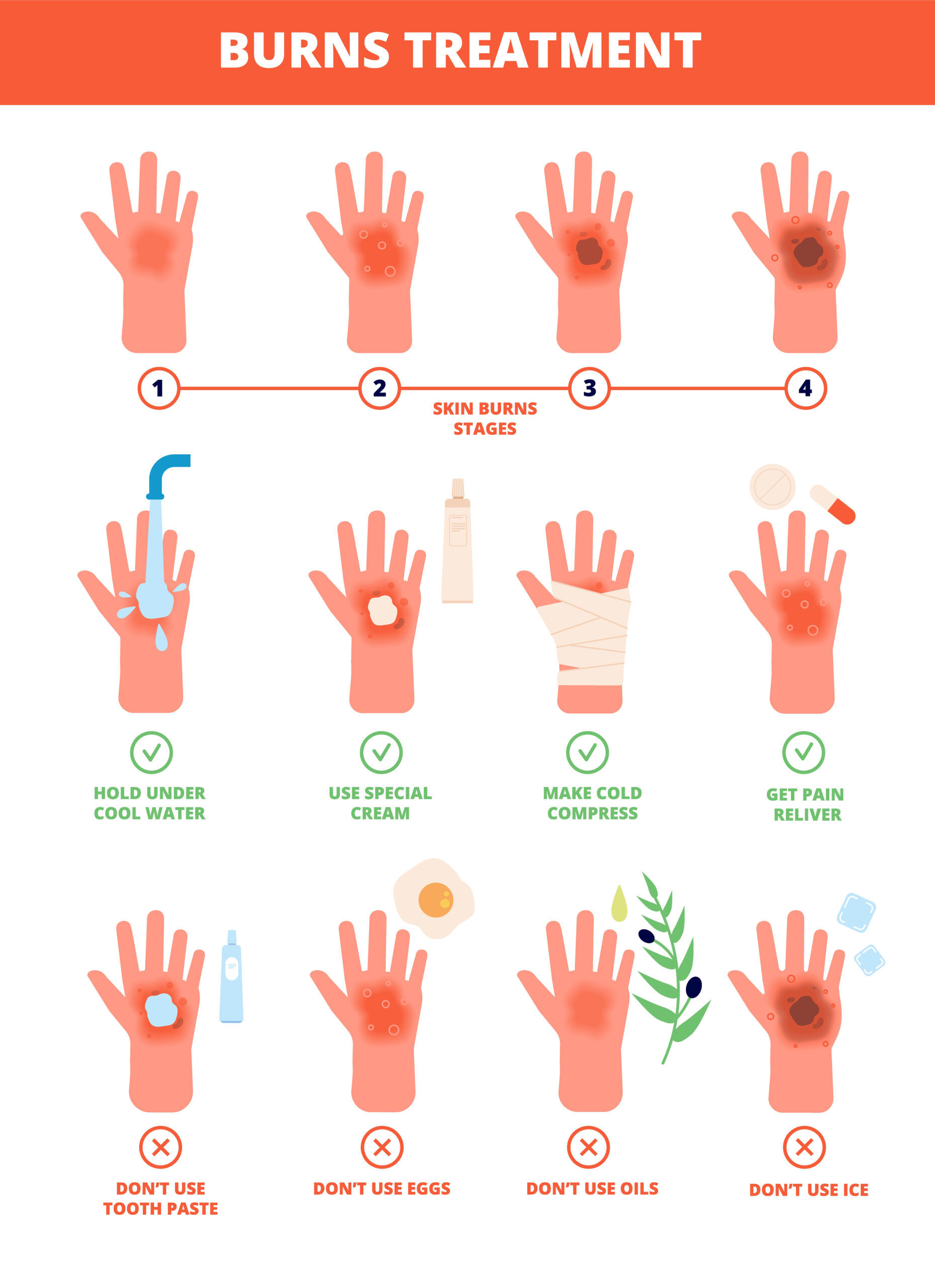
Now that you understand why proper burn care matters, let’s look at the most effective expert approved techniques for first aid on a burn.
⦁ Cooling the Burn Immediately
Running cool water over the affected area helps stop the heat from spreading deeper into the skin. Cooling provides fast relief and reduces swelling.
It is best to cool the burn for ten to twenty minutes. Avoid using ice because extreme cold can further damage the skin. This simple step is essential for proper first aid on a burn.
⦁ Removing Tight Clothing or Accessories
Burned skin can swell quickly. Removing tight items such as rings, bracelets, or clothing helps prevent pressure and discomfort. If fabric is stuck to the burn, do not pull it off.
This technique helps avoid additional tearing or irritation. Gentle removal of loose items supports safer first aid.
⦁ Cleaning the Burn Gently
Once the burn is cooled, cleaning the area helps reduce the risk of infection. Use mild soap and cool water to clean away dirt or residue. Avoid scrubbing or applying strong chemicals.
This gentle cleaning approach protects sensitive skin and helps prepare the area for dressings or soothing treatments.
⦁ Using Sterile, Non Stick Dressings
Covering a burn with a sterile, non-stick dressing protects it from bacteria, friction, and dirt. This helps keep the burn clean and reduces pain from air exposure.
Non-stick dressings prevent the material from attaching to the wound. This makes changing the bandage more comfortable and reduces irritation.
⦁ Applying Aloe Vera Gel
Aloe vera is one of the most recommended natural remedies for first aid on a burn. It helps cool the skin, reduce redness, and support healing with its soothing properties.
Using pure aloe vera gel on mild burns provides moisture and relief. It should be applied gently and not rubbed in too hard.
⦁ Using Honey for Mild Burns
Honey has natural antibacterial properties. It can help reduce infection risk and soothe the skin. Many studies show that honey supports healing when used correctly.
To use honey for first aid on a burn, apply a thin layer and cover it with a sterile dressing. This keeps the area moist and protected.
⦁ Taking Over the Counter Pain Relief
Burns can cause throbbing and discomfort. Gentle pain relievers like ibuprofen or acetaminophen help reduce swelling and provide relief.
Using pain relief supports comfort during the healing process. It also helps reduce inflammation and supports better rest.
⦁ Keeping the Burn Moisturized
After the first day, keeping a mild burn moisturized helps prevent cracking and dryness. Unscented moisturizing creams or gels support healing and protect the skin as it repairs.
This technique is especially helpful for preventing itching or tightness during recovery. Moisturizing is a simple but important part of first aid on a burn.
⦁ Understanding When to Seek Medical Help
Some burns require more than home care. If the burn is larger than three inches, appears deep, or affects the face, hands, or joints, it is important to get medical support.
Knowing when to seek help prevents complications and ensures proper treatment. If blisters are large or the area becomes painful or swollen, a doctor should evaluate the burn.
Also read: Treatment for Keloids: Effective Options to Reduce and Manage Excess Scar Tissue
How These Techniques Improve Burn Recovery and Comfort
Each of these techniques helps reduce pain, protect skin, and prevent infection. Cooling the burn and removing tight items are immediate steps that limit damage. Cleaning gently and using sterile dressings help keep the area safe. Natural options like aloe vera and honey soothe discomfort and support healing.
Medication helps ease pain while moisturizing prevents dryness and cracking. Finally, knowing when to seek medical help ensures that more serious burns get the proper attention they need. When used together, these expert techniques provide reliable first aid on a burn and support smoother recovery.