
Graphic Design Trend 2026: 10 Visual Creativity Trends to Watch
The graphic design trend 2026 highlights the changing direction of visual communication. From kinetic typography to anti-design typography, these emerging styles show how designers are pushing boundaries and redefining creative norms.
Key Takeaways:
- The graphic design trend 2026 emphasizes movement and depth through kinetic typography and experimental gradients, creating more engaging designs.
- Many trends combine digital precision with human elements, such as eco-brutalism and inclusive visual systems, offering more accessible experiences.
- Bold design choices like anti-design typography and glitch effects help brands stand out in crowded spaces.
Top 10 Graphic Design Trends 2026
As 2026 approaches, which design trends are set to shape the industry and influence visual communication across digital and physical spaces? Keep reading to explore the key trends defining the year ahead.
1. Kinetic Typography
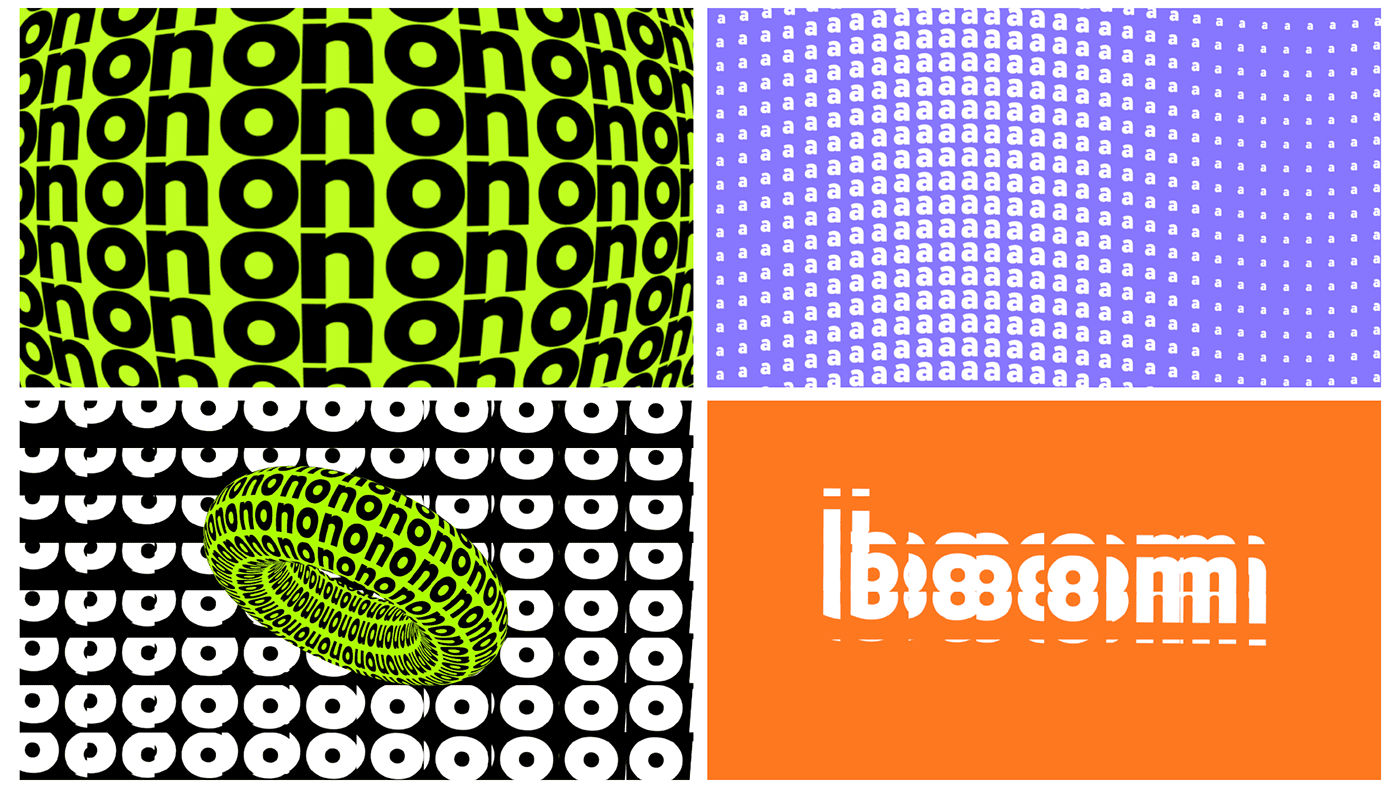
In digital environments, static text often struggles to hold attention. This has led to the rise of kinetic typography, where type becomes dynamic and interactive.
As a result, letters can move, stretch, or react to scrolling and cursor actions, making typography communicate meaning without extra imagery.
Example: Web headers where the font weight changes as the user scrolls down, or social media reels where lyrics physically interact with the background video.
Also Read: Top 10 Modern Typography Trends for Designers in 2025
2. Analog-Digital Hybrid
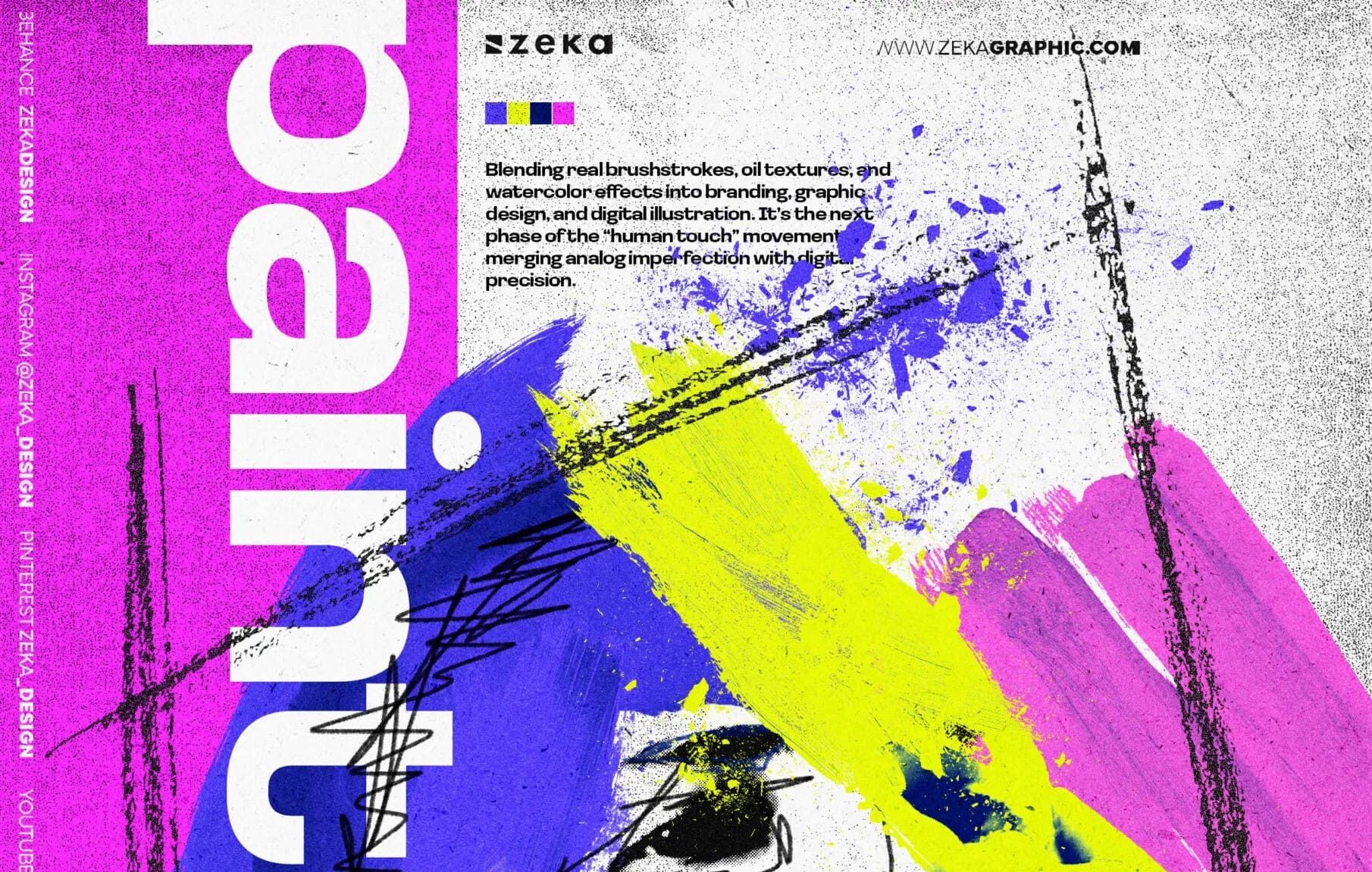
Designers are moving away from overly polished visuals and bringing back analog textures, like paper grain, ink bleed, and scan imperfections. When layered onto clean digital layouts, these details add warmth and make designs feel more human and approachable.
Example: Tech branding that incorporates scanned receipts or torn paper textures within app interfaces to soften the overall user experience.
3. Neumorphic 3D Illustration

A notable graphic design trend 2026 is the shift from flat graphics toward soft, neumorphic 3D styles. Rounded forms, gentle lighting, and pastel colors create visuals that feel friendly and easy on the eyes.
This is proven by how many visuals now resemble clay or soft plastic, which makes them feel more natural and inviting.
Example: SaaS landing pages using soft 3D icons to represent abstract features like cloud storage or security, and make the software feel tangible.
4. Experimental Color Gradients

Gradients in 2026 are more experimental and less tied to traditional color rules. Designers now mix bright neon tones with muted earth colors to create contrast and visual tension that feels bold and expressive. Instead of smooth blends, these gradients often include noise or sharp transitions.
Example: Packaging design for energy drinks or skincare products where the color palette needs to stand out on the shelf against traditional competitors.
Also Read: Top 7 Graphic Design Best Software for 2026 for Designers
5. Eco-Brutalism
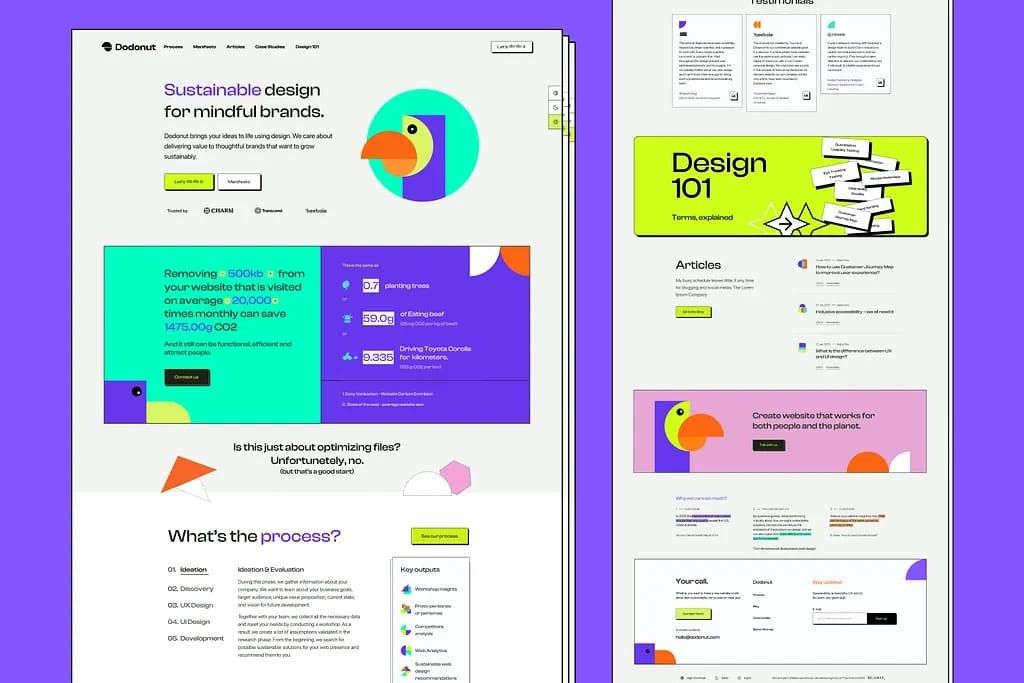
Sustainability is shaping visual language, and eco-brutalism reflects this shift. The style blends the raw, unapologetic nature of brutalist design with organic and environmentally conscious elements.
Designs often use limited color palettes, system fonts, and rough typography to convey efficiency, transparency, and reduced resource use.
Example: Websites for sustainable fashion or product brands that rely on minimal imagery and lightweight layouts to lower data usage and carbon impact.
6. Glitch and Datamosh
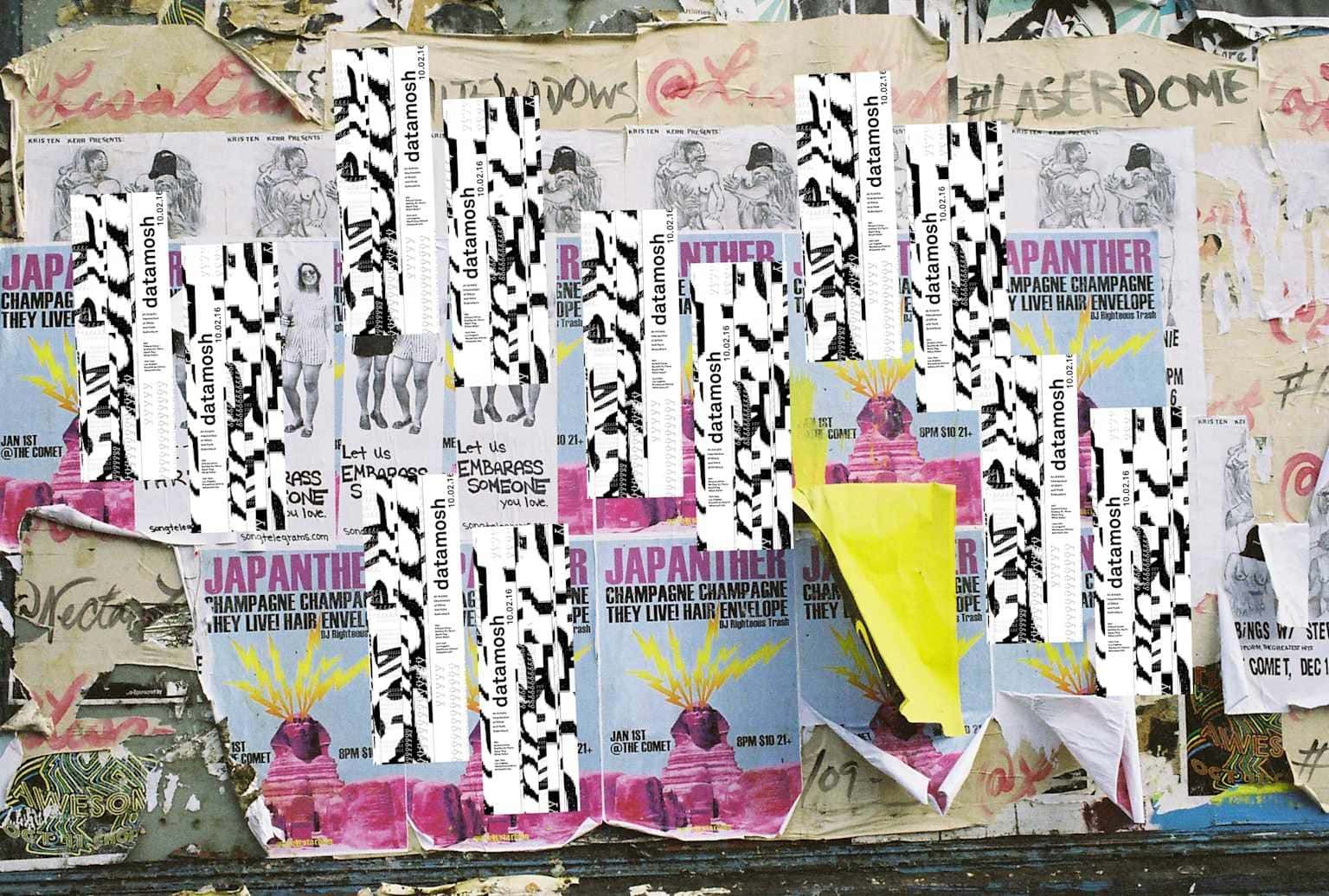
Visual glitches are no longer treated as errors but as intentional design choices. By 2026, glitch art become more polished, with datamoshing to merge frames and create smooth, surreal transitions that feel purposeful.
This style reflects the unstable nature of digital media while embracing imperfection as part of the visual language.
Example: Event posters for music festivals that use pixel sorting effects to convey rhythm and digital distortion.
7. Inclusive Visual Systems
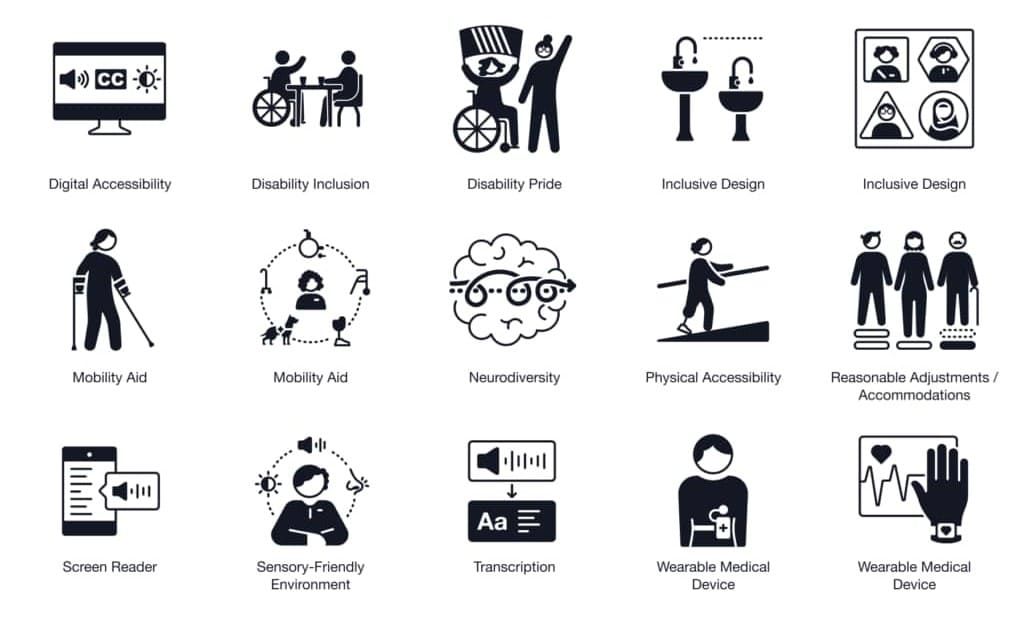
Inclusivity remains a core principle of effective design in 2026. Visual systems are created to represent diverse cultures, body types, and abilities respectfully and realistically.
This trend also prioritizes accessibility through readable typography, thoughtful spacing, and color choices that support neurodivergent and visually impaired users.
Example: Corporate icon sets that include prosthetics or sign language symbols, along with website themes that offer high-contrast display options.
8. Retro-Futurism (Y3K)
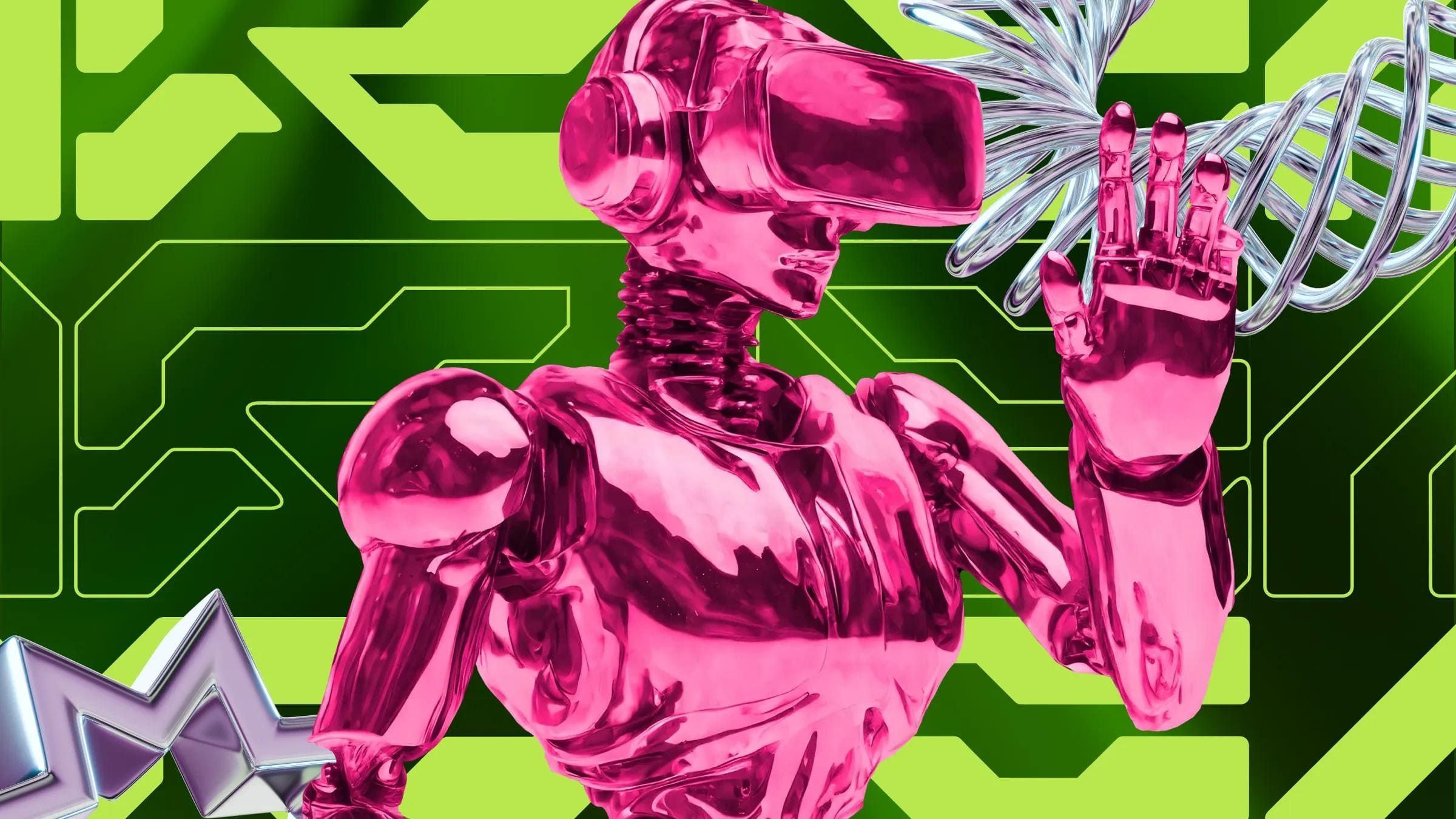
As the next evolution of Y2K, Y3K draws inspiration from past styles while clearly pointing toward the future. It features chrome textures, liquid metal effects, and iridescent surfaces combined with subtle cyber details to create a polished, high-tech look.
Example: High-end streetwear branding or automotive interfaces using metallic silver tones and holographic finishes.
Also Read: Y2K Graphic Design Explained: Retro-Futuristic Style Is Back!
9. Bento Box Grids
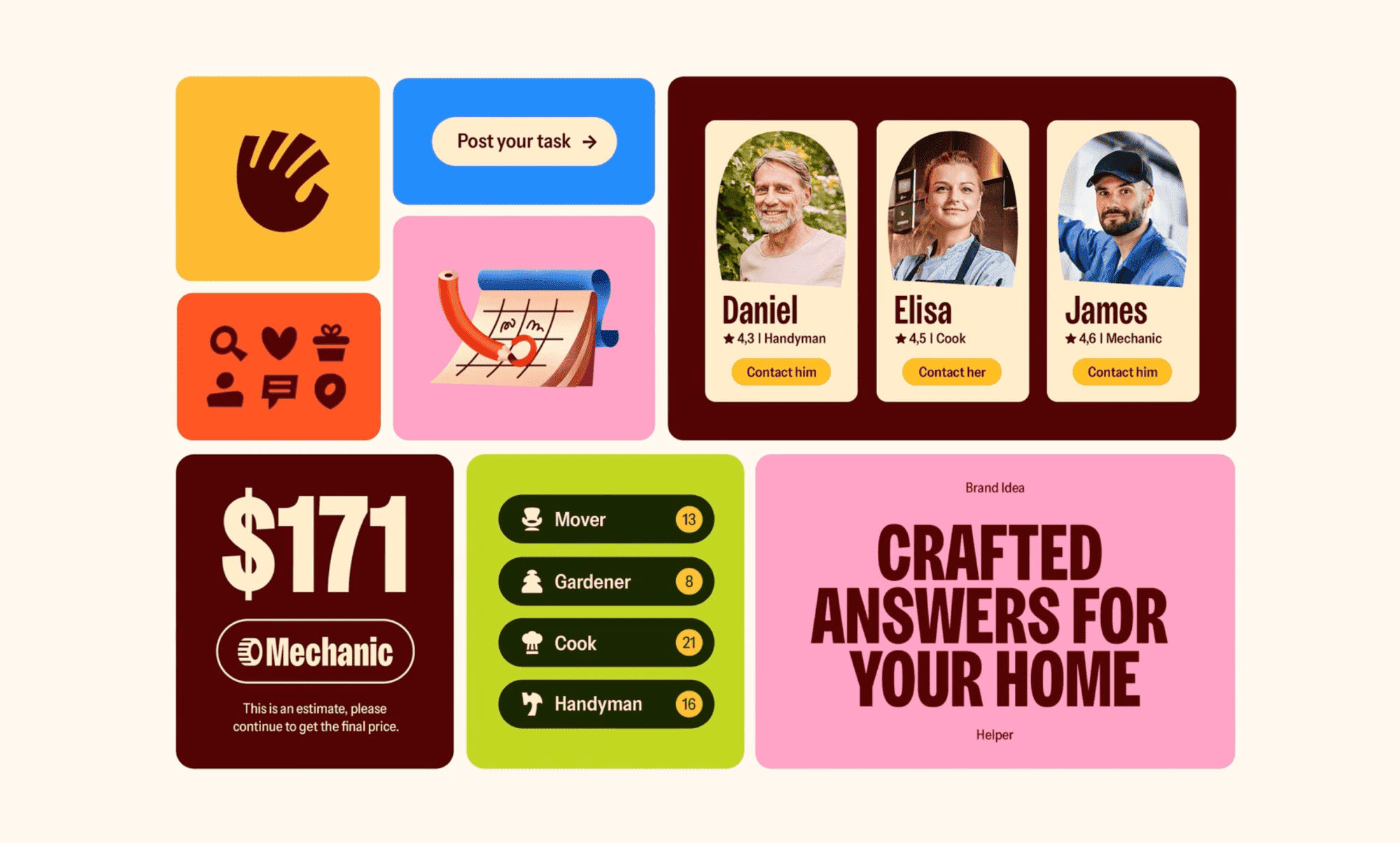
While experimental visuals continue to grow, structure remains a global graphic design trend 2026. Bento box grids organize content into clean, modular sections inspired by Japanese lunch boxes. With rounded corners and generous spacing, these layouts feel friendly, balanced, and easy to navigate.
Example: Portfolio websites or marketing slides that showcase different project metrics, images, and testimonials in a neat, modular grid.
10. Anti-Design Typography
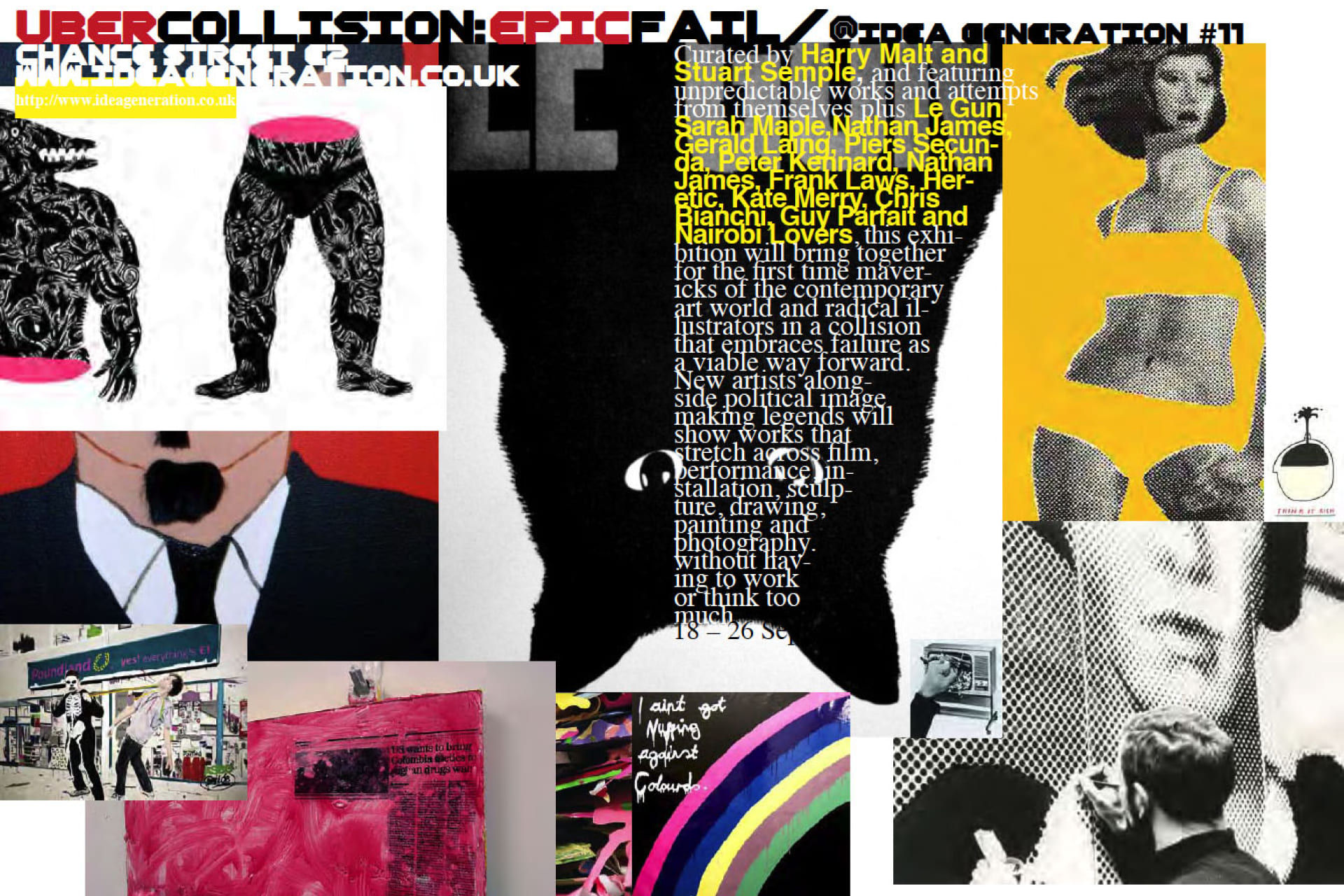
As a bold graphic design trend 2026, many designers are moving away from clean and uniform sans-serif typefaces and embracing anti-design typography instead. In this typography, distortion, overlap, and unexpected letter forms merge to become a singular visual expression.
Because of this, readers tend to slow down and pay more attention, which helps content stand out in busy social feeds.
Example: Streetwear logos or editorial spreads in fashion magazines where the mood is more important than immediate readability.
Also Read: Elements and Principles of Design for Better Visual Design
Designing for What Comes Next in 2026
Understanding each graphic design trend 2026 helps designers stay relevant and create work that feels fresh and aligned with how audiences engage today. While some trends may seem challenging at first, learning and applying them can open new creative and professional opportunities.
To support these evolving demands, custom fonts from HansCo Studio offer a strong foundation for finishing all visual works clearly and precisely. Their exclusive collections are crafted to help designers refine details, strengthen visual identity, and ensure every project looks polished on any platform.