
10 Steps of How to Design Packaging that Functions and Sells
The packaging of a product is the first point of contact, making its design a crucial function of marketing and logistics. In 2024, Business Dasher reported that 72% of surveyed consumers agreed that packaging design can influence their purchasing decision, signifying the significant role of packaging design as an effective sales tool.
This guide provides a professional framework detailing how to design packaging to ensure your product packaging is functional, not merely aesthetic wrapping, but rather strategically and commercially viable.
Key takeaways:
- Analyze consumers, competitors, and channels to uncover gaps and tailor functional designs.
- Validate durability, usability, and messaging through physical trials and consumer feedback.
Did You Know What Packaging Design Is?
Packaging design is the strategic blend of visual appearance and physical structure, serving as the product’s protection, aesthetic representation, and also core marketing instrument.
The design also influences consumer behavior while communicating brand values and elevates perceived product quality on the shelf. Moreover, it ultimately determines the product’s success on the shelf or in the mail.
Practical Steps on How to Design Packaging
A proper process of packaging design demands both collaborative effort and meticulous consideration of each element of the packaging. Find the details through the 10 important steps in designing packaging compiled.
1. Define Strategic Goals and KPIs
Establishing clear business objectives and KPIs for the packaging design to kick-start the process. It can include reducing logistics costs, increasing perceived value, or targeting specific corporate sustainability aims.
Use the 4 Ps (product, price, place, promotion) of marketing as a framework to evaluate alignment. Determine the full budget early, clearly separating one-time design costs from per-item production expenses.
Also Read: 10 Business Growth Strategies for More Revenues and Profits
2. Audience, Channel, and Competitor Analysis
Conduct mandatory foundational research by analyzing physical product requirements (fragility, shelf life), target consumer needs (age, lifestyle), and competitor packaging strategies to identify market gaps. Then, tailor designs to the purchase channel, prioritizing high shelf impact for retail or extreme durability and engaging unboxing for e-commerce.
3. Establish Functional and Legal Compliance
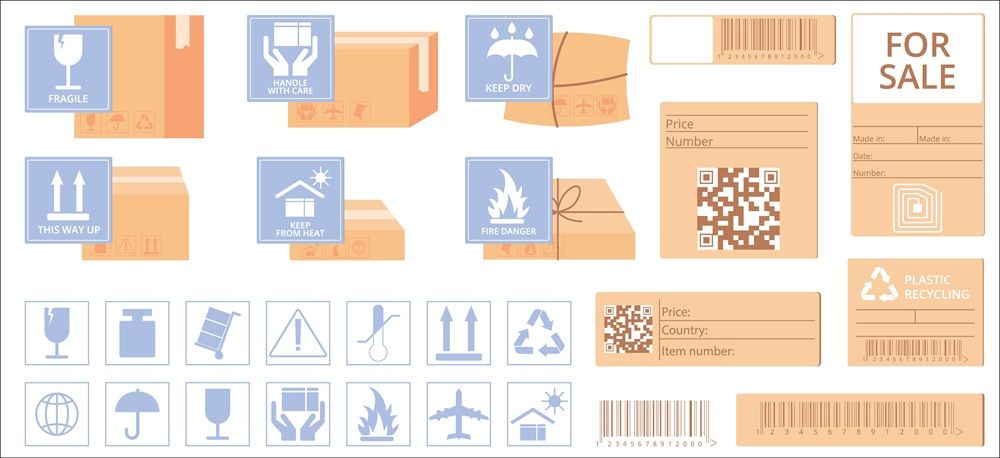
Functional and legal mandates must be met before aesthetic work begins. The design must structurally accommodate logistics (transportation, stacking, and compatibility with filling machinery) and legally display all necessary elements, including warnings, nutrition facts, and certifications.
Ensure required graphics, such as the high-resolution barcode (UPC/EAN), are secured for scanning and legibility.
4. Structural Concept (Shape, Material, and Layers)
This phase defines the physical design concept. Begin by selecting the structural shape and form that best represents the product and brand. Choose materials based on durability, cost per unit, and weight, dimension, and the theme or message that you want to convey, as these selections dictate the concept’s feasibility. Consider integrating the 3 packaging layers (outer, inner, and product).
5. Visual Concept (Color, Typography, and Imagery)
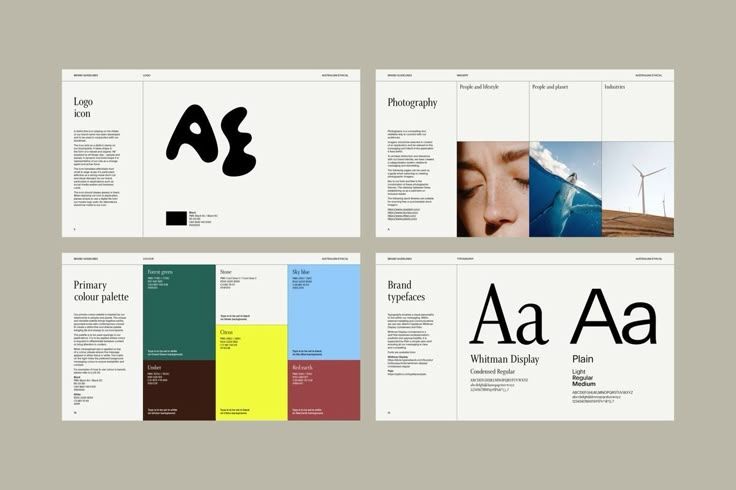
Start by defining the information architecture to structure the layout around the single most important message. Select color palettes and imagery/graphics that align with the brand’s emotional tone.
Choosing your typography carefully is part of knowing how to design packaging, as it aims to ensure your branding consistency. Prioritizing legibility and relevancy to your brand identity and using text hierarchy to reflect the brand’s personality, enhancing perceived value.
Also Read: Top 10 Modern Typography Trends for Designers in 2025
6. Digital Development and Dieline Creation
Translate the structural and visual concepts into digital reality. Start with sketching and wireframing to visualize the concept in 2D. Then, create the precise structural design (dieline) using specialized software (like Esko Studio or ArtiosCAD) to confirm physical integrity. This finalizes the 3D form before the visual artwork is applied digitally.
7. Stakeholder Review and Feedback Integration

Use realistic 3D mockups to facilitate structured feedback from all stakeholders, including marketing, legal, and production teams. This review process is vital for catching errors early, ensuring compliance, and confirming the design meets all business requirements before moving to the prototyping phase. Refine the artwork based on the structured feedback received.
8. Final Artwork Preparation and Prepress Checks
Accuracy is critical, so prepare all final artwork in vector format (e.g., .AI, .EPS) for infinite scalability without quality loss, and set up files with precise technical specifications like bleeds, trims, and safe zones.
For final color consistency, specify all tones using CMYK or Pantone codes. Utilize specialized prepress tools like ArtPro+ for comprehensive file quality checks.
Also Read: 8 Recommended Packaging Design Software in 2025 for Everyone
9. Prototype Creation, Usability, and Market Testing
This crucial stage involves creating physical prototypes, moving beyond digital mockups. Perform durability testing, which can include simulating the stresses of delivery. Test usability to ensure the package is easy and pleasant to open.
Gather objective market feedback from consumers who have never seen the product by asking specific questions like, “What is the single message you receive from this package?” to confirm clarity.
10. Printer Hand-off and Launch Quality Assurance
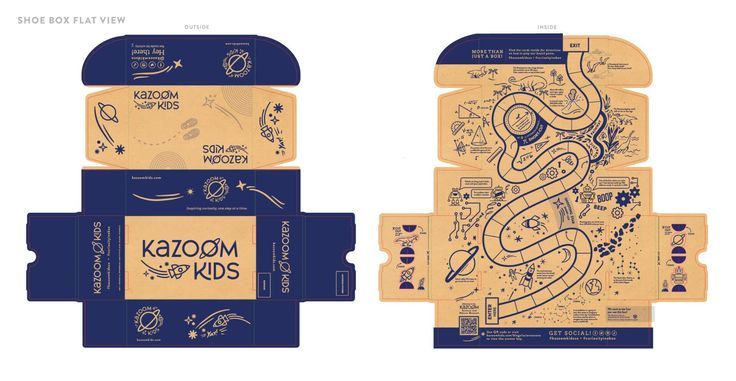
This final step of how to design packaging emphasizes quality control and logistical sign-off. Consult with the preferred printer on print specifications and the intended method (digital or offset).
Always request a physical test print on the actual substrate to check color, durability, and quality. Secure the final sign-off from all stakeholders, ensuring all previous compliance and testing steps have been verified before mass production begins.
Also Read: CPG Packaging Design Trends and Best Practices for Sales Growth
Strategic Development of Design Packaging
The process of how to design packaging requires strategic cultural considerations alongside branding elements (colors, logo, visual structure, and even typography) as essential elements.
The well-thought application of fonts often helps to genuinely elevate the brand’s visual identity. HansCo Studiooffers a diverse collection of premium fonts, ranging from modern sans serifs and elegant serifs to aesthetic scripts and display fonts, suited for packaging designs for food, beverages, skincare, and fashion products.