
Easy Tips: How to Zest a Lemon the Right Way for Beginners
When you taste a dessert or salad dressing that feels bright and refreshing without being sour, chances are it has lemon zest in it. Lemon zest is the thin, yellow outer layer of a lemon’s peel that contains fragrant oils and intense flavor. But how to zest a lemon?
Under the zest is the white part called the pith. This layer is bitter, so when you want to zest a lemon, your goal is to get only the yellow part and not the white.
The zest carries all the essential oils that make lemons smell and taste so fresh. Unlike lemon juice, which adds acidity and tang, zest brings a concentrated citrus aroma. It’s what gives baked goods, marinades, or even cocktails that extra zing. Learn the zesting tips here!
How to Zest a Lemon: Tools You Can Use
No worries, there’s no single right tool for zesting. The best one depends on what texture you want and what you have at home, even without a zester. Here are your options:
⦁ Microplane or Fine Grater
This is the easiest and most popular method. It gives you fine, fluffy zest that mixes smoothly into batters or dressings.
⦁ Citrus Zester or Channel Knife
This tool creates long, thin strips which are perfect for garnishes or infusing sugar, syrups, or cocktails.
⦁ Box Grater (Smallest Side)
It actually works well if you don’t own a microplane. Just make sure to hold the lemon gently and rotate it often.
⦁ Vegetable Peeler or Paring Knife
If you don’t have the tools above, a vegetable peeler or paring knife works as a last resort option. They create larger strips of zest that you can chop finely with a knife afterward.
Step by Step Guide on How to Zest a Lemon
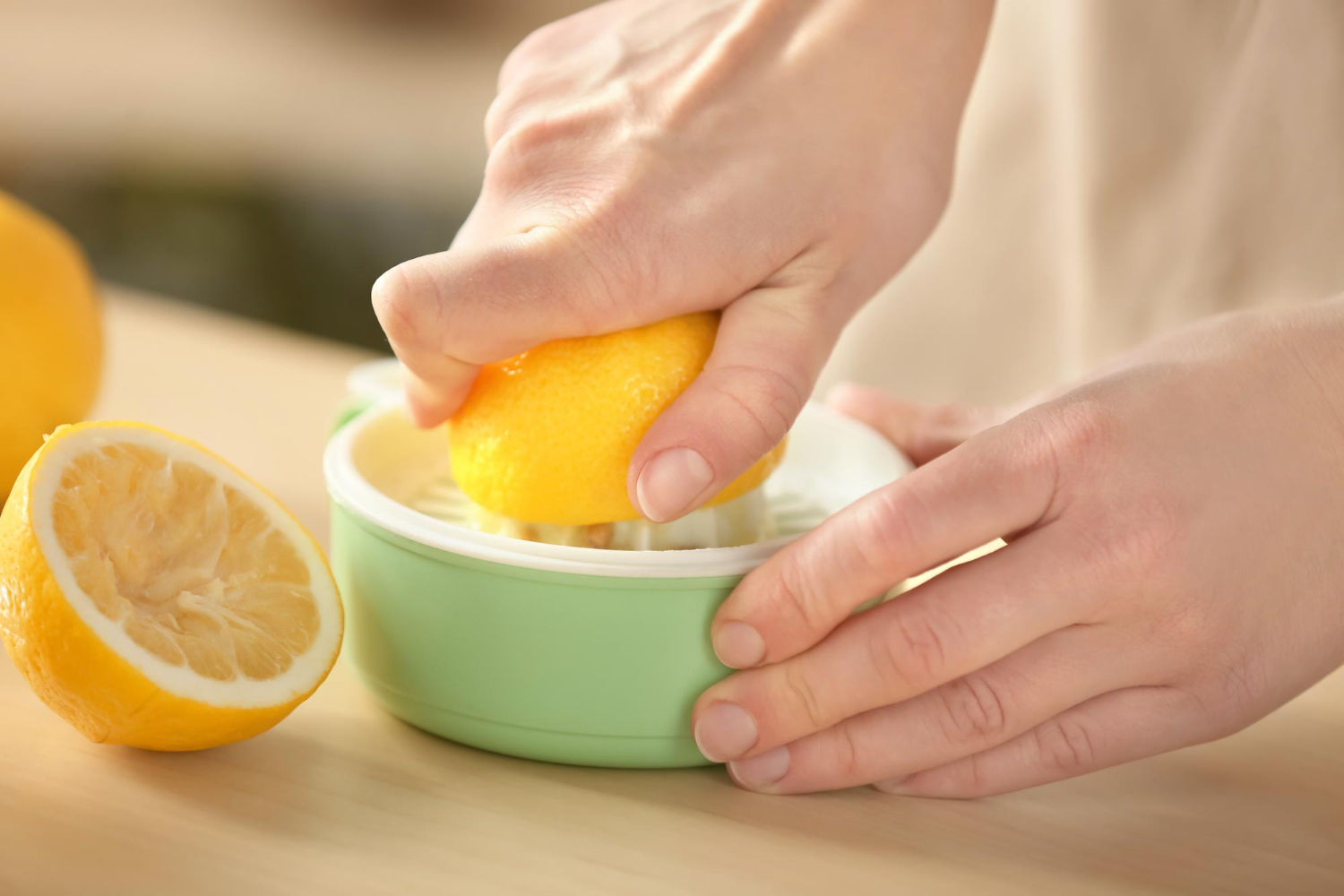
Have you prepared the tool? Ready to try it yourself? Here’s a simple guide you can follow at home:
⦁ Wash and Dry the Lemon
Always start with a clean lemon. Rinse it under cool water and scrub off any wax or dirt. Dry it with a towel so the skin doesn’t slip while zesting. A dry lemon gives a cleaner grate.
⦁ Secure Your Grip
If you’re using a microplane, place it at an angle over a bowl or cutting board. Hold the lemon firmly in one hand and gently rub it against the grater. Rotate the lemon as you go so you don’t scrape too deeply in one spot.
Now, how to zest a lemon if you’re using a peeler? First, slice off thin layers of yellow peel, then just chop them finely with a knife.
⦁ Collect the Zest
Tap the grater lightly to release the zest stuck on the back. Most recipes call for about one tablespoon of zest per medium lemon. Usually, that’s roughly what you’ll get from a single fruit.
⦁ Use Immediately or Store It
For the best aroma, use the zest right away. But if you have leftovers, you can store it in an airtight container in the fridge for up to a week. You can even freeze it for smoothies or baking later.
⦁ Best Practices and Helpful Tips
Here are a few extra tips to make zesting smoother and safer:
- Zest before juicing, because once you cut and squeeze a lemon, it’s much harder to hold and grate.
- Avoid the pith. The white layer adds bitterness. Stop when you see white or feel resistance.
- Rotate the lemon. Don’t over-grate one side, move around to get even zest.
- Mind your fingers, microplanes are sharp. Always keep your grip firmly but gently.
- Don’t waste your fruit. You can also zest oranges, limes, or grapefruits the same way.
Bonus: we also recommend washing and drying thoroughly before zesting to remove wax coatings or pesticide residues from the skin.
Also read: Health Benefits Drinking Lemon Water According to Science
How to Use Lemon Zest in Your Cooking
Now that you know how to zest a lemon, it’s time to put that skill to use! Lemon zest is surprisingly versatile and here are some delicious ways to use it:
⦁ Baking and Desserts
You can add zest to cakes, muffins, pancakes, or cookie dough for an instant citrus kick. Even a teaspoon can brighten the flavor of chocolate desserts or buttercream frosting.
⦁ Marinades and Dressings
Combine lemon zest with olive oil, garlic, and herbs for chicken or fish marinades. You can also whisk it into vinaigrettes to make salads more aromatic.
⦁ Savory Dishes
Try mixing a bit of zest into pasta, risotto, or roasted vegetables to make them taste fresh and lively. It cuts through heavy, creamy sauces and balances saltiness.
⦁ Drinks and Cocktails
Long curls of zest look elegant in cocktails, lemonades, or sparkling water. You can also infuse zest into syrups for a natural lemon flavor.
⦁ Homemade Infusions
Massage zest into sugar or salt to create lemon flavored versions. Store them in jars to make great edible gifts that can last weeks.
While learning how to zest a lemon may seem like a tiny kitchen task, it’s actually one that transforms your cooking. Try zesting your next lemon into sugar, tea, or yogurt. You’ll never look at lemons the same way again!