
10 Integrated Marketing Campaign Examples with Success Stories
Integrated marketing campaign examples reveal how smart brands tell one story across many channels and why some campaigns stick. According to Super Office, integrated campaigns are 31% more effective at building brands, yet almost 70% of marketing teams still work in silos. That means a lot of great ideas never reach their full potential.
For this reason, we’ll explore campaigns that captured attention and delivered real results. By the end, you’ll gain actionable insights to make your next campaign unforgettable. So, let’s dive in and learn from the best!
Key Takeaways
- Integrated marketing campaigns use consistent messaging across channels to maximize brand impact.
- Studying successful campaigns helps identify strategies that drive engagement and recognition.
- Unified storytelling strengthens brand identity and improves overall campaign performance.
What Is an Integrated Marketing Campaign?
An integrated marketing campaign is a strategy in which a brand delivers a consistent message across multiple channels. It combines online and offline efforts such as social media, email, ads, events, and websites to create a unified experience.
By aligning all channels toward a single goal, integrated campaigns maximize impact while minimizing wasted effort. They ensure that every touchpoint reinforces the same story and makes marketing more efficient and memorable. In short, it’s about coordination, consistency, and connection.
Also Read: Performance Marketing Examples: 8 High-Impact Approaches
10 Successful Integrated Marketing Campaigns to Follow
If you want to run an integrated marketing campaign for your business, take a look at these 10 examples from leading global brands and notice the key details that made them successful.
1. Coca-Cola “Share a Coke”

Coca-Cola replaced its logo with popular first names on bottles, encouraging personalization and social sharing. The campaign used TV, social media, outdoor ads, and in-store displays to create a unified experience.
What made it stand out was how user-generated content became part of the campaign itself. By connecting offline and online experiences, Coca-Cola turned a simple idea into a global sensation. It proved that personalization can drive massive reach.
2. Nike “Just Do It”
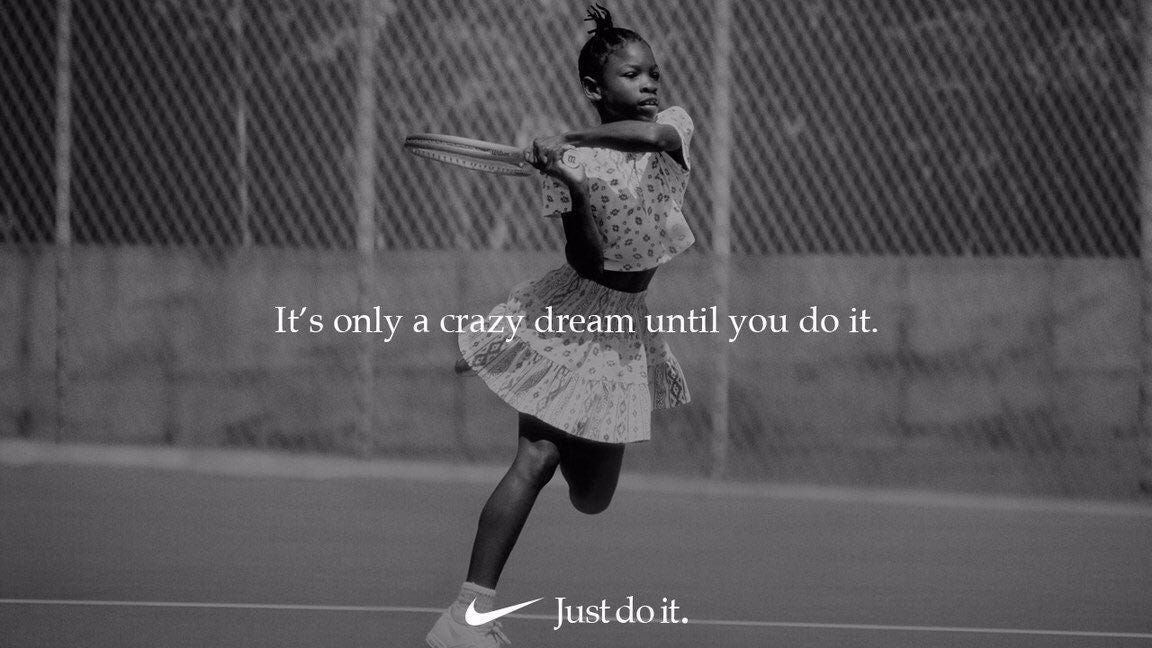
Nike brought real athletes’ stories and social causes to life in ways that resonated deeply with audiences. They leveraged TV ads, social media, digital video, and influencer collaborations. The campaign inspired audiences while staying true to its core values, and showed how purpose-driven storytelling can fuel loyalty.
Also Read: Digital Brand Management: Strategies, Benefits, and Real Examples
3. Airbnb “Live There”

Airbnb encourages travelers to experience destinations like locals by turning ordinary trips into authentic adventures. Digital ads, social media stories, email campaigns, landing pages, and app notifications worked together to deliver this message.
The campaign’s consistent storytelling across channels helped increase bookings and build trust. By merging digital reach with human experiences, Airbnb reminded travelers why living like a local matters.
4. Old Spice “The Man Your Man Could Smell Like”

Old Spice’s humorous, bold approach grabbed attention instantly. They combined TV commercials, YouTube clips, social media replies, and interactive content to reach audiences in every corner of the internet. By blending creativity with multi-channel delivery, Old Spice created a viral hit that redefined its brand image.
5. Dove “Real Beauty”

Dove challenged beauty norms by featuring real women across print, TV, social media, and events with a unified message that resonated emotionally. This consistency is often seen in integrated marketing campaign examples to build trust and reinforce that beauty comes in all forms. It showcases Dove as a leader in socially conscious marketing.
6. Spotify “Wrapped”
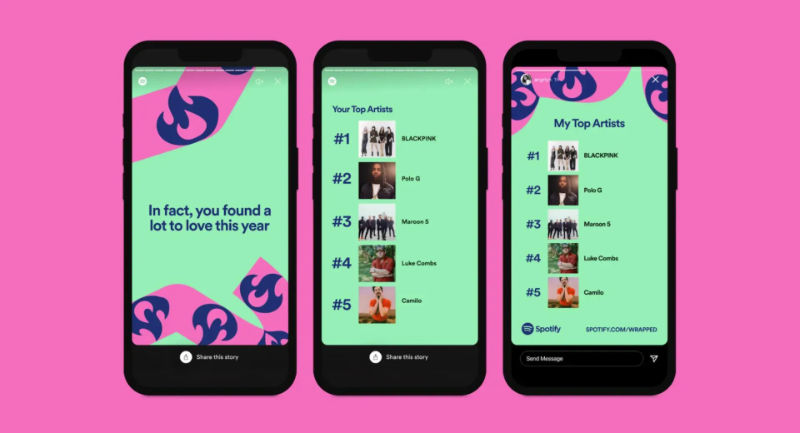
Spotify’s “Wrapped” transformed personal listening data into shareable, fun graphics. It reached users through email, social media, app notifications, and landing pages, and made the experience interactive. This allowed people to show off their music tastes.
The genius was in turning data into a viral storytelling tool. By integrating channels and focusing on personalization, Spotify created a campaign that was both fun and brand-reinforcing.
Also Read: Customer-Centric Omnichannel Marketing Strategy Framework
7. Apple “Shot on iPhone”

Apple celebrated its customers’ photography skills, and turned them into the campaign itself. Billboards, TV spots, social media, website galleries, and in-store displays all showcased real user photos, which highlighted the iPhone’s capabilities naturally.
By connecting offline and online platforms, Apple created a seamless brand experience and allowed users to tell the story. This boosted engagement while strengthening its premium image, which made the campaign both memorable and effective.
8. Starbucks “Red Cup” Campaign

Starbucks sparked excitement with its seasonal red cups, and anticipation grew every holiday. The campaign ran on social media, in-store, email, and app notifications, so everyone joined the buzz. By aligning all channels, Starbucks turned a small design change into a multi-channel success.
9. Red Bull “Stratos”

Red Bull sponsored Felix Baumgartner’s space jump, using live streaming, YouTube, social media, and global coverage to captivate audiences. With seamless storytelling across channels highlighted in many integrated marketing campaign examples, the brand turned an extreme stunt into an unforgettable multi-channel moment.
10. Google “Year in Search”

Google highlighted trending searches to reflect global events and human experiences to connect emotionally with audiences. They used YouTube videos, social media, blogs, and interactive microsites, so the story reached everywhere. By blending real-world insights with multiple channels, the campaign becomes highly engaging.
Also Read: How to Assess Your Opportunities Before Starting a Business: 7 Best Steps
Build an Integrated Campaign That Works Perfectly
The integrated marketing campaign examples above show how visual consistency boosts brand recall. Colors, shapes, and typography signal who the brand is across channels. Thus, choosing the right font becomes a strategic move, as well-crafted typefaces act as silent storytellers that unify every part of a campaign.
Fortunately, HansCo Studio offers many distinctive typefaces that help brands create visuals that feel cohesive and memorable. Therefore, if you want to elevate your next campaign, explore our collections now!