
A Simple and Effective Plan for Losing Weight
Starting a plan for losing weight can feel overwhelming, especially when there’s an overload of advice everywhere. The truth is, you don’t need extreme diets or high-intensity workouts to see results. What matters most is a consistent and practical approach that helps you build healthier habits step by step.
This guide breaks down simple, realistic strategies you can start today, making the journey less stressful and more achievable.
Understanding the Basics of Healthy Weight Loss
Before following a structured plan for losing weight, it’s helpful to understand the essential principles behind sustainable results.
Weight loss isn’t just about lowering calories, it’s a combination of balanced nutrition, consistency, and mindful lifestyle choices. These elements form the foundation of any plan designed to support long-term success.
Simple, steady changes work far better than drastic methods because they keep your body nourished while gradually reducing excess weight.
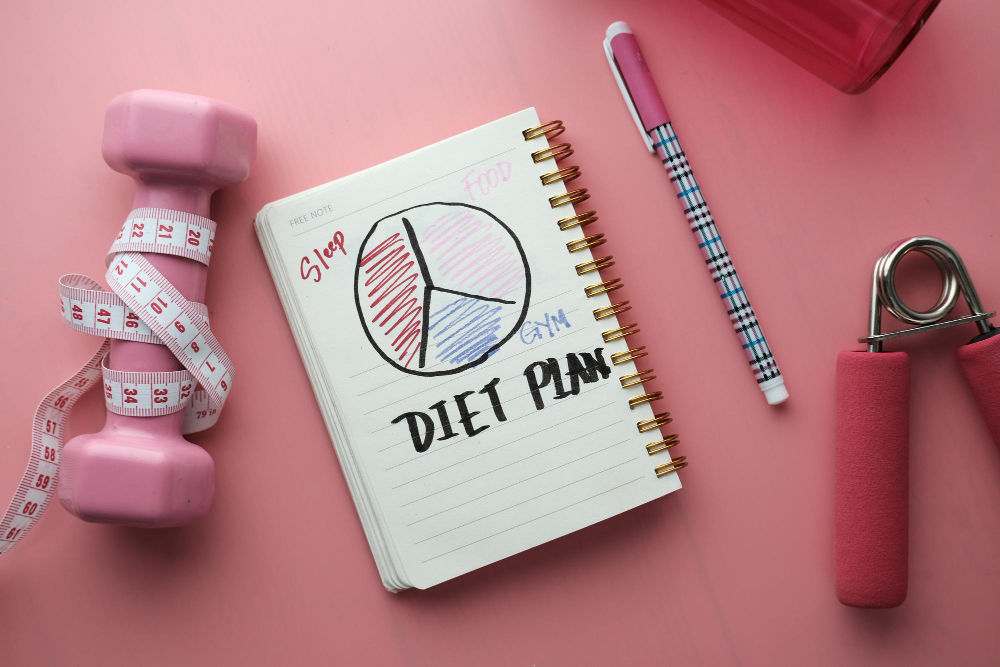
Building Your Weekly Eating Strategy
When creating a plan for losing weight, your weekly eating habits play a major role in shaping your progress. A balanced approach helps you stay energized and consistent without feeling deprived or restricted.
Here’s a guided explanation to help you follow healthier meal patterns throughout the week:
Choosing Nutrient-Dense Foods
To support steady progress, it helps to focus on foods that keep you nourished while naturally controlling calorie intake:
- Prioritize vegetables, fruits, whole grains, and lean proteins.
- Incorporate healthy fats like nuts, seeds, and olive oil.
- Choose high-fiber foods to support digestion and curb cravings.
Planning Balanced Meals
To maintain a healthy eating rhythm throughout the week, you can build meals that deliver steady energy and support appetite control:
- Pair protein, fiber, and healthy fats in every meal.
- Use smaller plates to help reduce portions naturally.
- Avoid skipping meals to prevent overeating later.
Staying Hydrated Throughout the Day
To support your eating plan, hydration plays a key role in how your body manages appetite, energy, and digestion:
- Drink water before meals to improve fullness.
- Keep a water bottle nearby to encourage regular drinking.
- Limit sugary drinks or calorie-dense beverages.
These habits make your plan for losing weight more manageable and fuel your body with the nutrients needed for healthy progress.
Incorporating Movement Into Your Routine
Any effective plan for losing weight benefits greatly from simple, consistent movement. Exercise doesn’t have to be intense or complicated. Even small changes in daily activity can significantly support your goals.
Let’s break down how you can integrate movement comfortably into your routine:
Begin with Light Exercises
To ease into regular activity without overwhelming yourself, start with gentle movements that fit naturally into your day:
- Begin with daily walks of 20-30 minutes.
- Add light stretching to warm up your muscles.
- Increase pace or duration gradually as your stamina improves.
Add Strength Training
To enhance your metabolism and support fat loss, strength training helps you build muscle in an approachable, beginner-friendly way:
- Use bodyweight exercises like squats, lunges, or push-ups.
- Aim for 2-3 short sessions weekly.
- Mix strength and cardio for balanced results.
Stay Active Outside Workouts
To keep your body moving consistently, try adding small forms of activity throughout the day that contribute to overall calorie burn:
- Take the stairs when possible.
- Stand and stretch during long sitting periods.
- Try casual weekend activities like cycling or swimming.
When movement feels natural and manageable, you’re more likely to stick with it. This making your plan more effective and sustainable in the long run.
Setting Realistic Weekly Goals
A practical plan for losing weight is built around achievable weekly targets. These small goals help you stay focused while still giving you flexibility.
Here’s how you can set goals that keep you motivated and aligned with your long-term progress:
- Prepare three balanced meals at home.
- Walk a total of 90-120 minutes through the week.
- Replace sugary snacks with fruit or nuts.
- Maintain regular sleep hours to support metabolism.
These goals are small enough to manage yet powerful enough to create lasting results.
Also read: Here Are the Real Benefits Jumping Jacks Have for Your Body!
Maintaining Motivation and Consistency
To strengthen your commitment and keep momentum, try focusing on emotional and physical cues that remind you why the journey matters.
Here are a few simple practices to keep you engaged:
- Reflect on your goals and what you want to feel.
- Avoid comparing your progress with others.
- Notice improvements such as energy, mood, or sleep quality.
- Allow flexibility and avoid strict, unsustainable rules.
Small, steady choices compound into meaningful long-term changes. Over time, these habits create a version of yourself that feels stronger, healthier, and more confident.
A healthy plan for losing weight doesn’t need to be complicated or restrictive. By focusing on balanced eating, simple movement, and realistic weekly goals, you can build a lifestyle that supports long-term health.
Progress comes from consistency, showing up day by day and making small choices that move you closer to where you want to be.