
Y2K Graphic Design Explained: Retro-Futuristic Style Is Back!
In a design landscape dominated by restraint, boldness is making a comeback. Y2K graphic design reintroduces vibrant colors, playful distortion, and tech-driven optimism. Ultimately, it encourages designers to experiment freely and reconnect with an era when digital creativity felt limitless and exciting.
Key Takeaways:
- Y2K graphic design blends bold, futuristic visuals with late ’90s and early 2000s pop culture.
- Neon colors, metallic textures, experimental typography, and glitch effects define the style’s unique character.
- The revival is driven by nostalgia, social media culture, and a growing desire to move beyond minimalist design trends.
Defining the Retro-Futurist Energy of the Y2K Graphic Design
Emerging at the turn of the millennium, Y2K captured society’s excitement and uncertainty toward early digital technology, blending futuristic imagination with pop-culture excess. The aesthetic feels unapologetically expressive, combining optimism, experimental visuals, and chaos that is still emotionally resonant today.
Also Read: Top 7 Graphic Design Best Software for 2026 for Designers
What Makes Y2K Graphic Design So Distinct?
At its core, Y2K design relies on high-contrast neon palettes, such as electric blues, hot pinks, and luminous purple. Besides, it is often layered over dark or metallic backgrounds to heighten its sci-fi appeal.
These Y2K style graphics commonly feature chrome typography, stretched letterforms, pixel distortion, holographic textures, and abstract digital motifs inspired by early web interfaces and low-resolution screens.
Why Y2K Graphic Design is Back in the Spotlight?
The resurgence of this aesthetic is driven by nostalgia among Millennials and Gen Z, who view it as a visual time capsule from a more playful digital era. At the same time, the movement stands as a reaction against years of minimalism, aligning with the Y2K design trend 2025, where maximalism, optimism, and expressive visuals regain relevance.
Also Read: 20 Top Fonts for Web to Improve Your Site’s Look and UX
How Today’s Brands and Creatives Use Y2K Graphic Design
Many brands and creatives are reworking the aesthetic through modern tools, cultural shifts, and strategic storytelling, turning nostalgia into something that feels current and intentional. Let’s take a look at how today’s brands implement this concept!
1. Steve Madden Spring 2025 Campaign
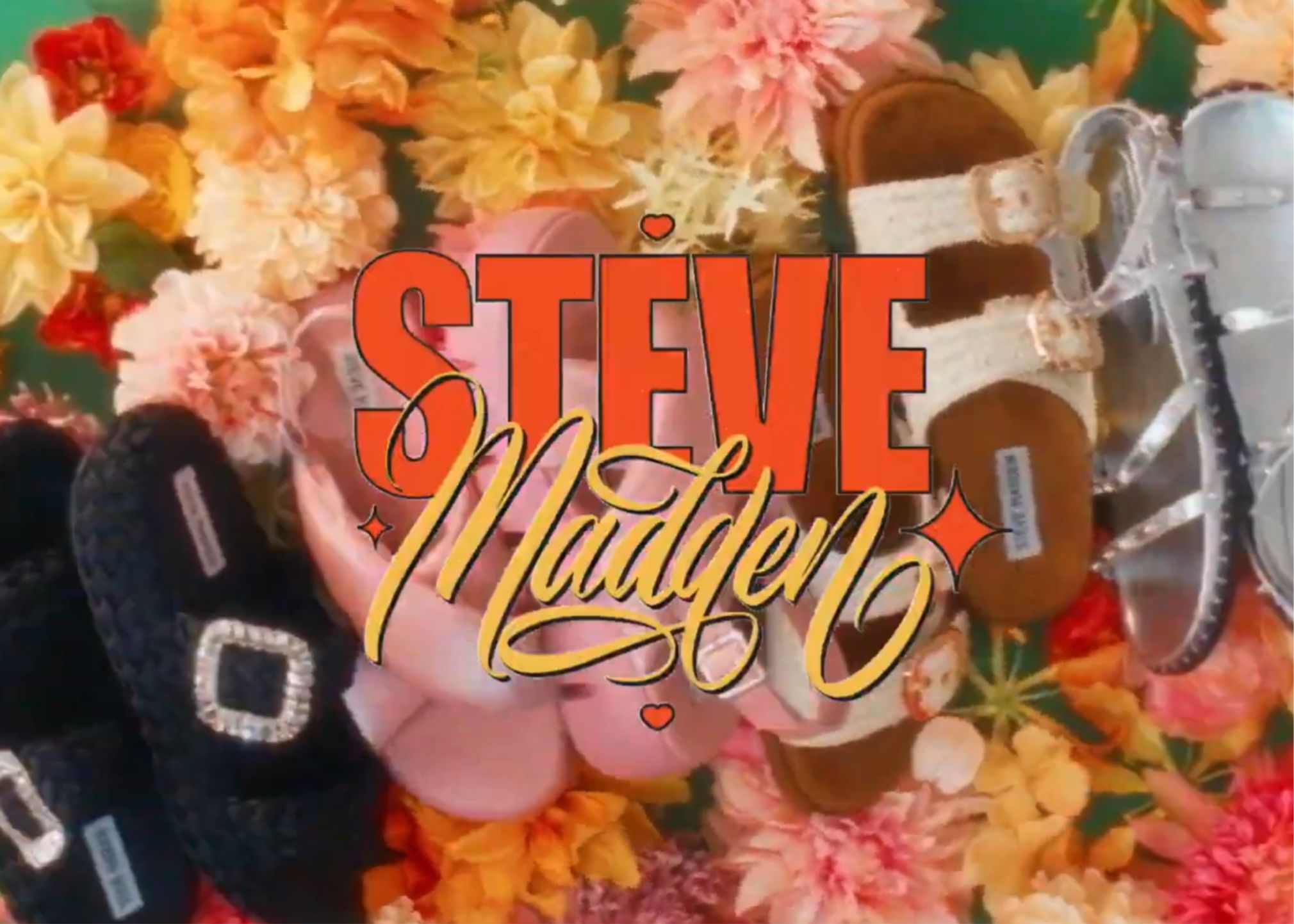
Steve Madden’s Spring 2025 campaign reintroduced ’90s pop nostalgia through short, TikTok-style videos starring Tefi Pessoa. Instead of mimicking old VHS ads, the brand translated MTV-era energy into fast, social-first content using neon palettes, pixel textures, and playful digital collages.
By adapting nostalgic visuals to modern platforms, Steve Madden turned heritage into shareable entertainment. The visuals felt intentional rather than costume-like, proving that Y2K-inspired aesthetics can thrive when paired with contemporary storytelling and creator-driven authenticity.
2. Miss Sixty Spring/Summer 2025 Campaign
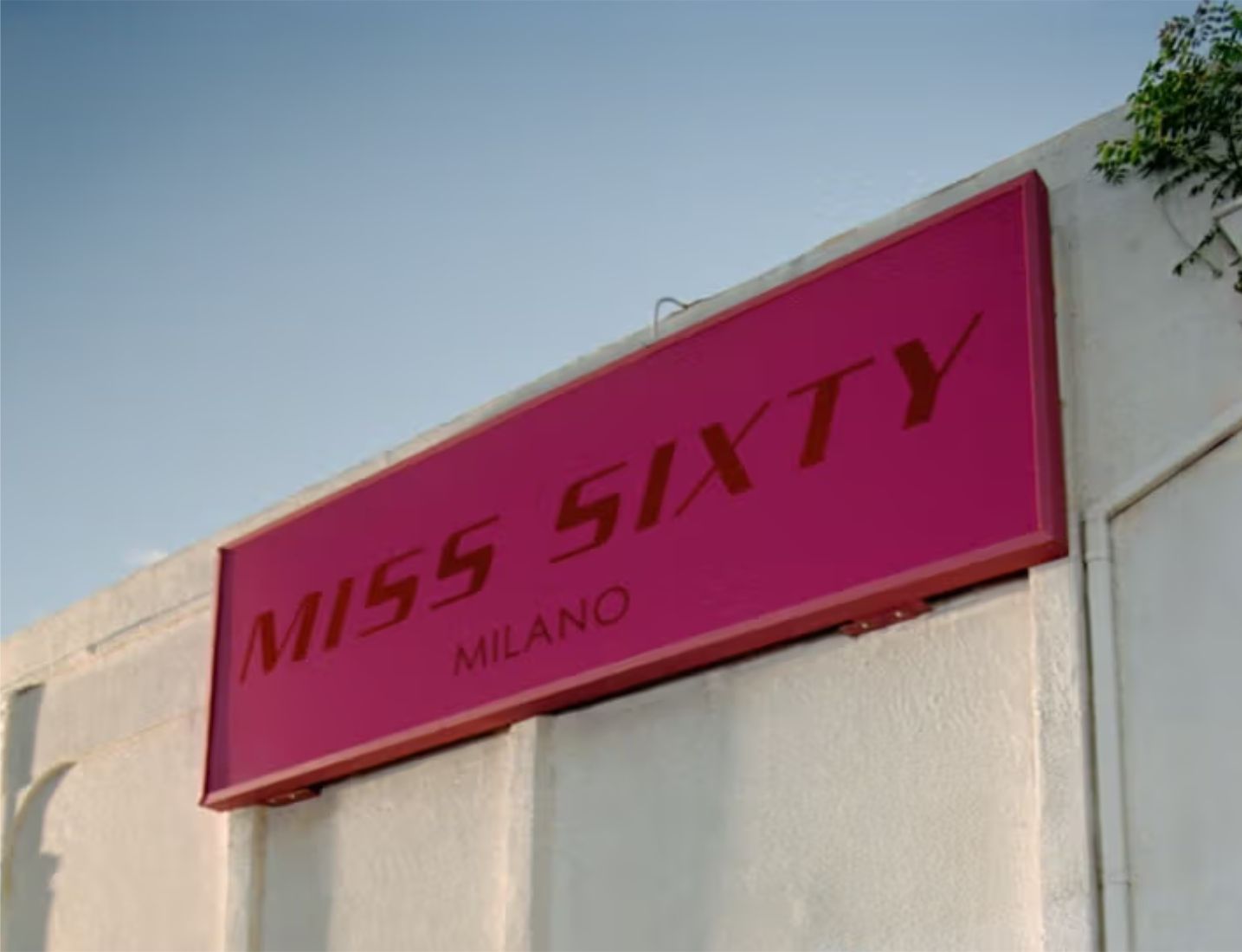
Miss Sixty’s Spring/Summer 2025 campaign leaned heavily into its denim legacy, starring Bella Hadid as a bridge between archival identity and modern relevance. Glossy finishes, vibrant patterns, and exaggerated typography reinforced the brand’s early-2000s roots while maintaining a polished, fashion-forward presentation.
Instead of toning down nostalgia, Miss Sixty amplified it through shine, distortion, and maximalist layouts reminiscent of Y2K illustration style. This approach helped reposition classic silhouettes as bold, collectible pieces for a trend-driven 2025 audience.
3. Balenciaga
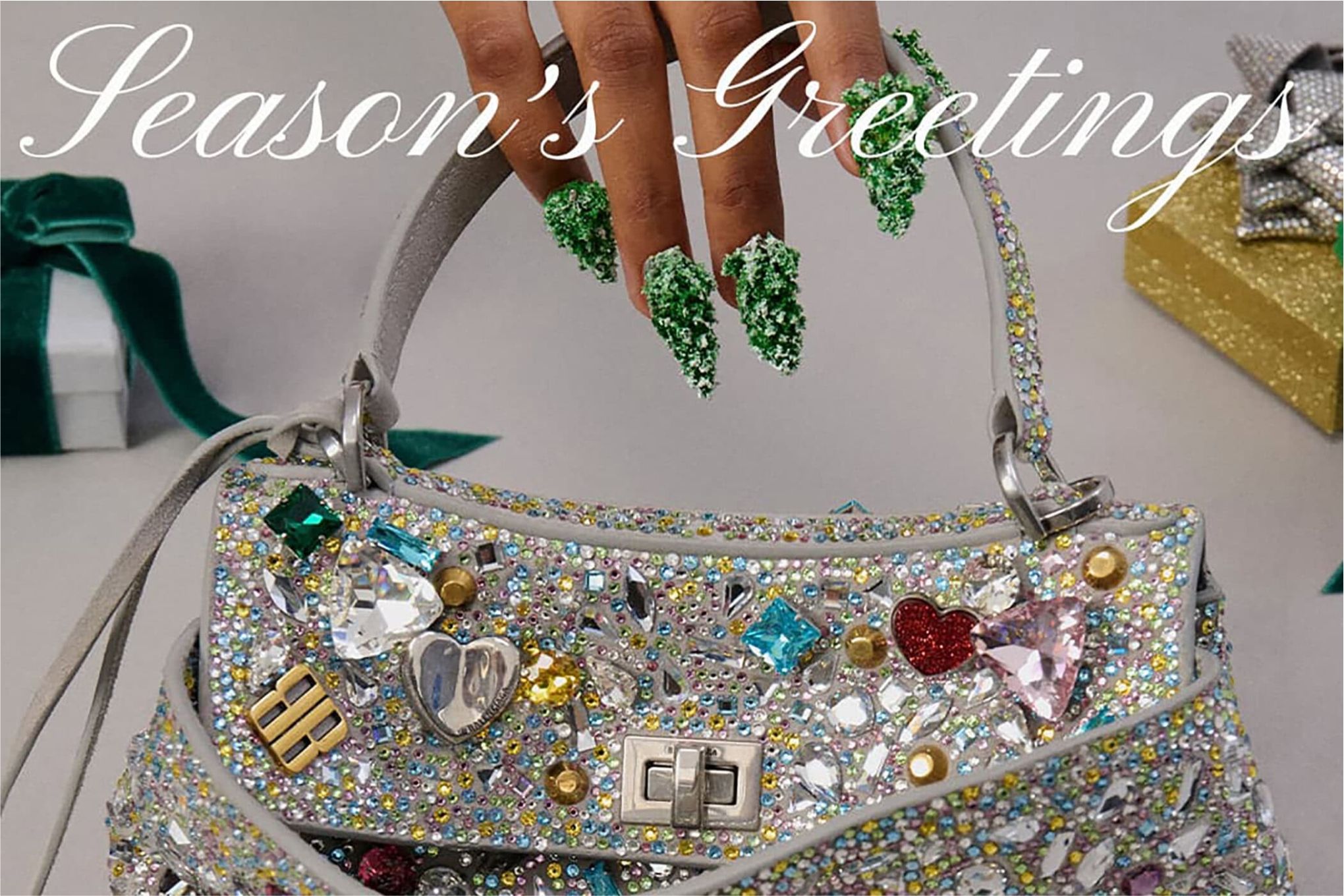
Balenciaga’s Le City Bag campaign revisited early-2000s fashion culture through a behind-the-scenes lens. Featuring familiar digital-era personalities, the visuals echoed paparazzi shots and fashion TV aesthetics, layered with metallic accents and holographic highlights to recreate runway-era chaos.
The success of the campaign came from its balance of rebellion and polish. By embracing messy layering and nostalgic textures, Balenciaga challenged luxury minimalism while reminding audiences of the bag’s versatility.
Also Read: Top 10 Modern Typography Trends for Designers in 2025
4. PUMA X Danielle Guizio Collaboration (2025)
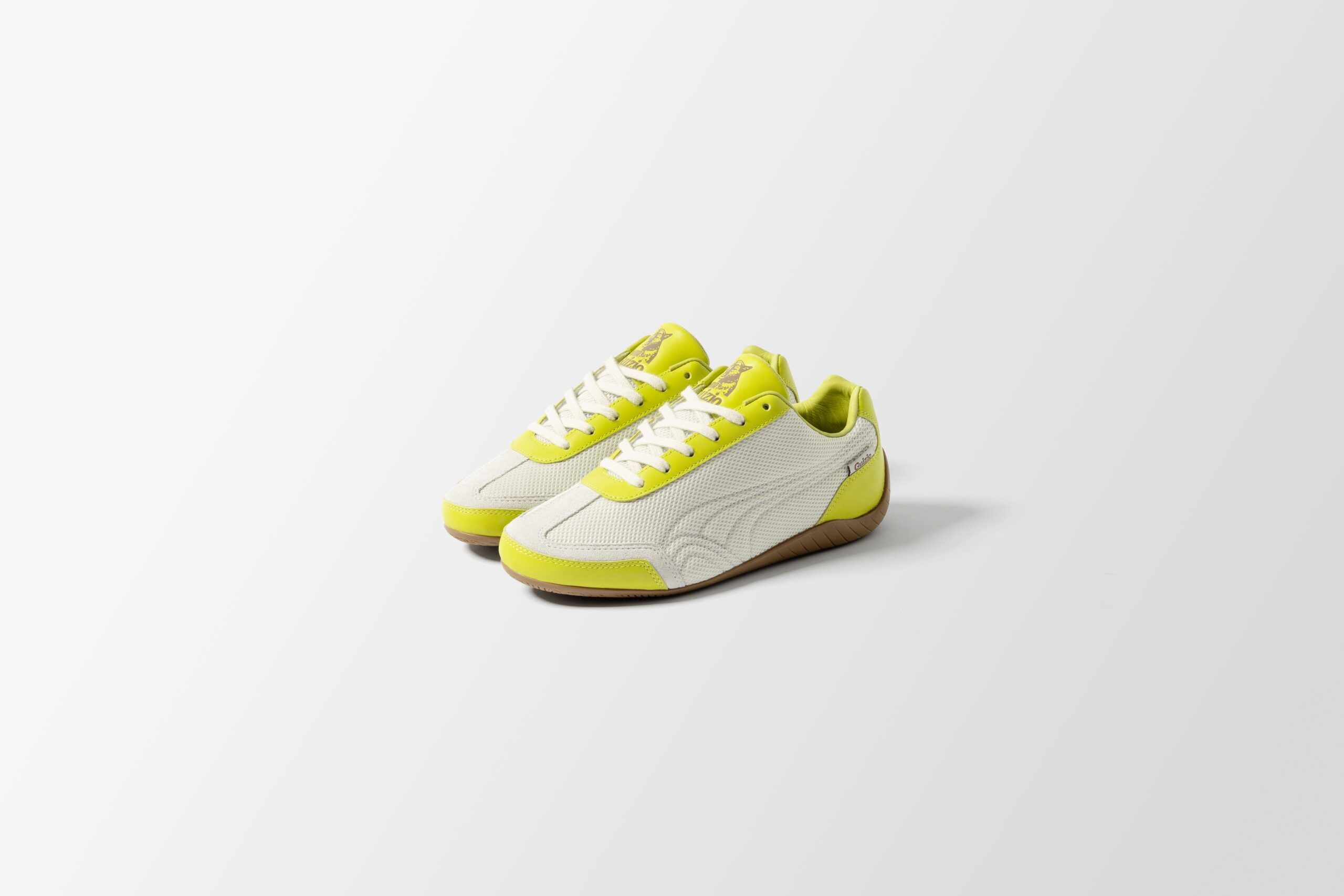
PUMA’s 2025 collaboration with Danielel Guizio modernized classic sportswear by channeling Y2K athletic graphics. Promotional visuals featured chrome finishes, neon gradients, and familiar silhouettes inspired by vintage training posters, instantly signaling retro performance culture with a contemporary edge.
Rather than relying solely on nostalgia, the collaboration blended old-school visuals with modern styling and functionality. Pixel borders and glitch-inspired layouts gave the collection digital energy, helping PUMA reconnect with younger audiences who value heritage when it feels visually refreshed and intentional.
5. Intel
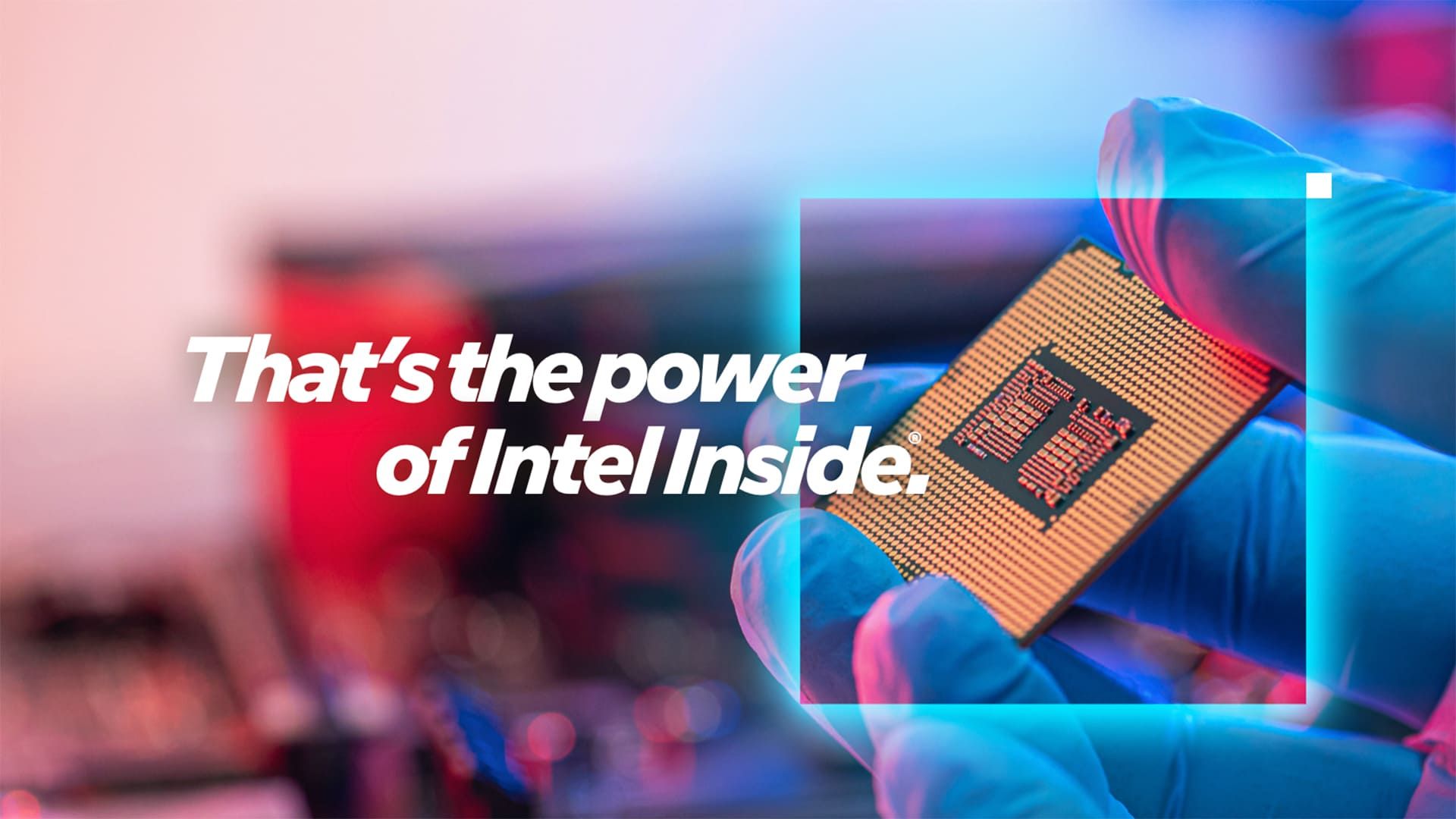
Intel’s Vision 2025 event marked a visual revival of its iconic “Intel Inside” identity. Metallic gradients, digital grids, and retro-futuristic textures referenced the brand’s ’90s legacy while supporting a renewed message about innovation, trust, and technological influence in everyday life.
The refreshed visuals worked because they softened complex technology through familiarity. By contrasting sleek modern systems with playful, nostalgic design cues, Intel humanized its brand story. The concept achieves stronger emotional recall while proving that legacy tech brands can participate in contemporary design culture.
Translating Y2K Aesthetics Into Modern Design Projects
Applying Y2K graphic design today starts with controlled experimentation. Designers can use neon gradients, chrome overlays, and 3D typography in tools like Photoshop or Blender.
Glitch effects, pixelation, and asymmetrical layouts should be applied with balance and intention. When used thoughtfully, these elements create energetic and expressive visuals without overwhelming the design.
Also Read: 8 Recommended Packaging Design Software in 2025 for Everyone
Ready to Reimagine Y2K Graphic Design?
Y2K aesthetics remind us that typography is never just a supporting element; it defines the entire mood. The right font can amplify futuristic energy, playful chaos, or confidence, turning visual nostalgia into a creative statement that feels intentional.
As you continue exploring and refining Y2K-inspired visuals, having access to expressive typefacesmakes a real difference. At HansCo Studio, you’ll find premium fonts with distinctive character, designed to help your Y2K designs stand out, stay cohesive, and feel professionally polished across every project.