
Top 10 Modern Typography Trends for Designers in 2025
Typography trends are reshaping the way brands communicate visually in 2025. Designers face the challenge of selecting typefaces that are expressive yet readable. According to Designity, modern design increasingly favors character-driven fonts that balance impact with clarity.
As audiences seek authenticity and originality, especially in web and mobile interfaces, choosing the right font can make a brand stand out. Want to see which styles are leading the way? Explore the full list of typography trends that will shape 2025 and beyond.
Key Takeaways:
- Typography has become a core tool for brand identity, helping communicate personality, tone, and professionalism.
- Flexible and adaptive fonts like variable fonts are crucial for responsive design across devices and screen sizes.
- Insights from the top typography trends 2025 guide help designers choose styles that remain relevant as visual standards evolve.
- Mixing bold, expressive styles with readability from display, retro, handwritten to motion and 3D helps brands stay fresh without sacrificing clarity.
10 Typography Trends to Watch
Here are 10 key typography trends shaping design today and expected to stay relevant. These typography trends that will be popular in 2026 are ideal for graphic designers, web designers, and UI/UX designers seeking fresh, contemporary aesthetics.
1. Bold and Oversized Display Fonts
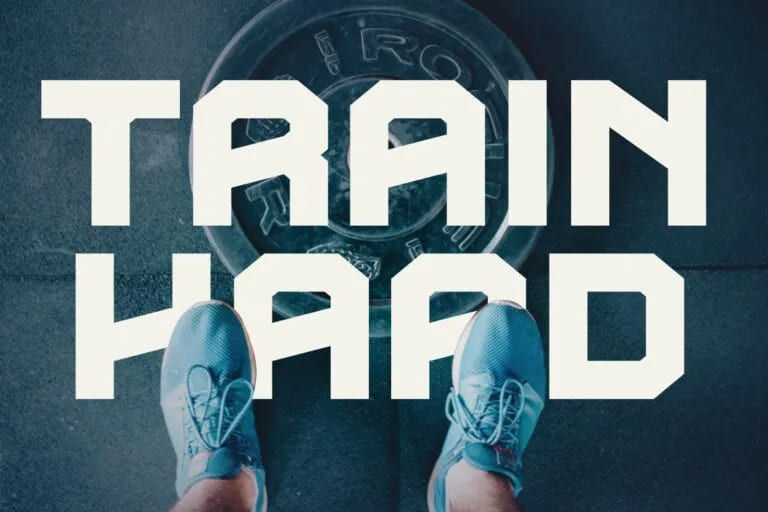
Bold oversized fonts dominate hero sections, posters, and branding. Thanks to their strong visual presence, they deliver impact immediately and grab attention. Also, oversized type is especially effective in stopping the viewer’s scroll and creating a clear visual hierarchy.
Because of their strong presence, these fonts work well for headlines, branding, and cover art where designers want to project confidence and energy.
Also Read: 15 Best Kinetic Typography Examples for Modern Motion Design
2. Clean Minimalist Sans Serif
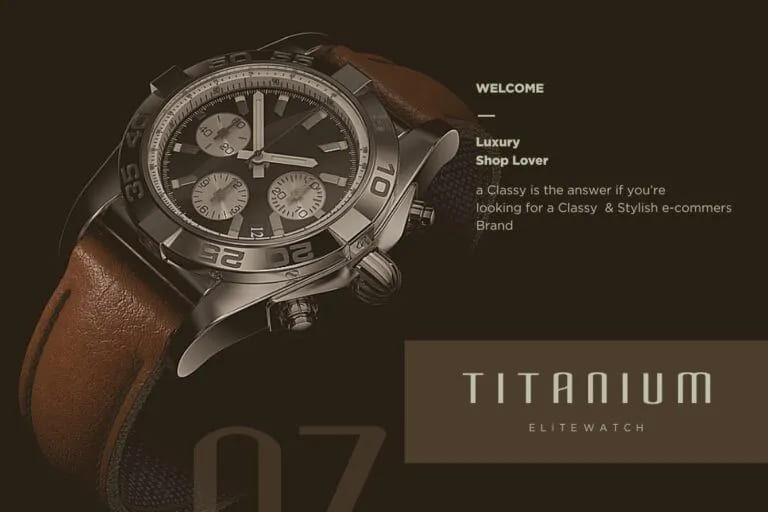
While bold display fonts rise, clean sans serif remains essential, especially for user interfaces, long text blocks, and tech or startup branding. Minimalist fonts offer readability, neutrality, and a modern feel. They support smooth reading across websites, apps, and dashboards.
This approach keeps designs simple and uncluttered, ensuring the focus stays on content perfect for websites, apps, or UI where clarity matters.
3. Modern Serif Revival
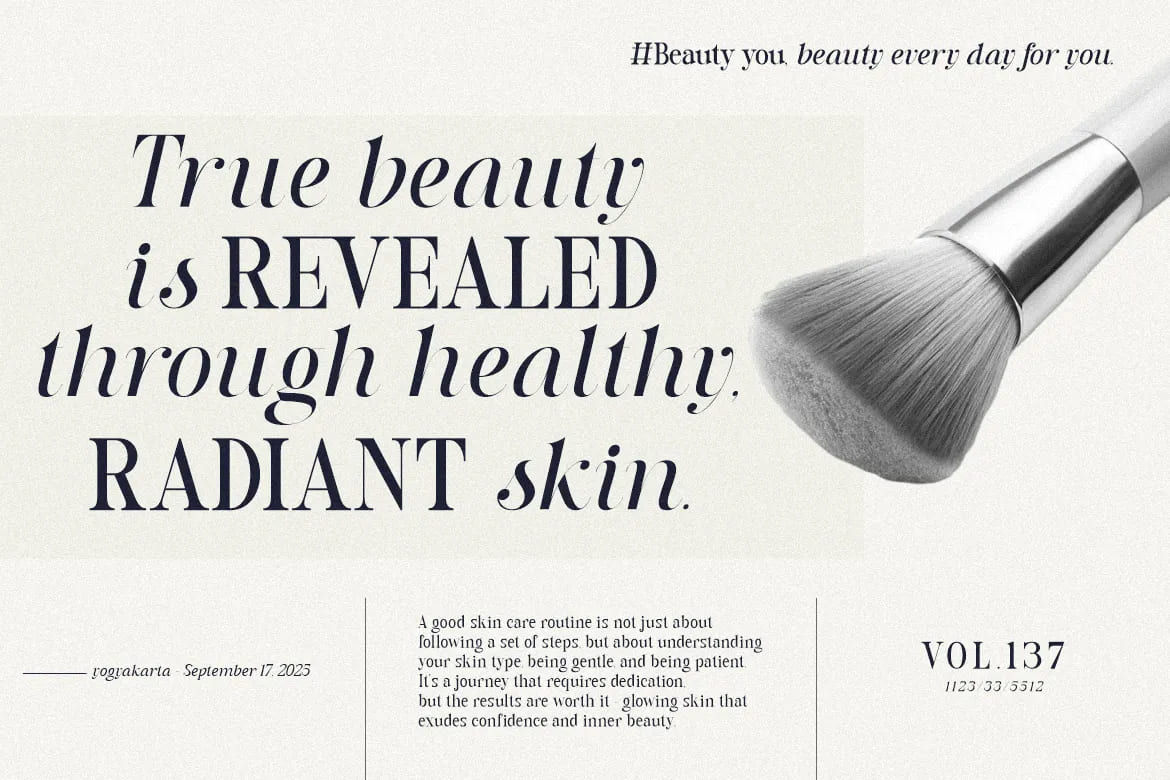
Modern serifs blend elegance with sharp, updated details. They add refinement without feeling old-fashioned. A great fit for editorial design, luxury brands, and sophisticated visual identities. This revival shows that traditional letterforms, when modernized, can combine timeless character with contemporary readability.
4. Variable and Responsive Fonts
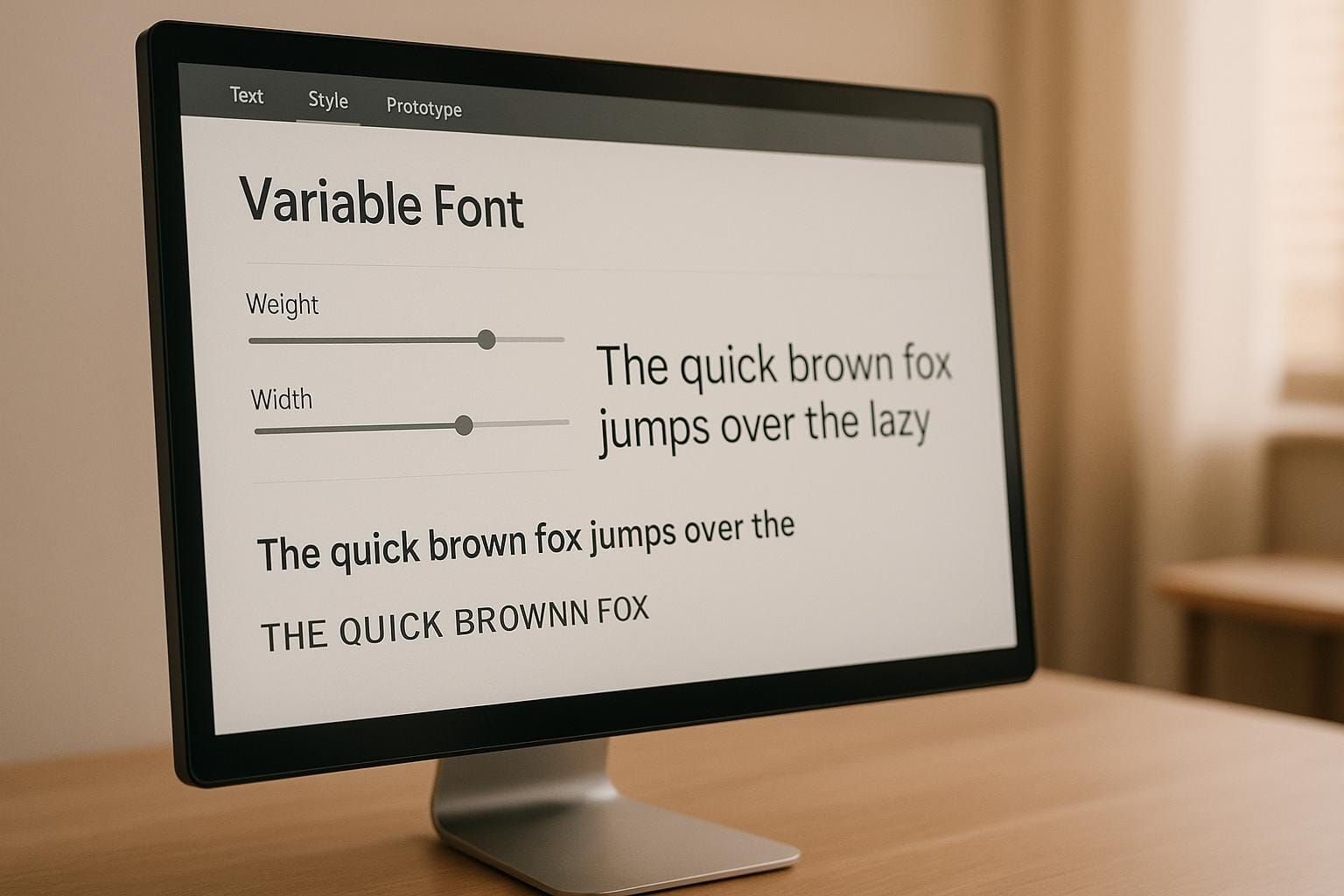
Among today’s most influential typography trends, variable fonts stand out as a major innovation. They allow a single font file to adjust weight, width, and other attributes dynamically, making them perfect for responsive design across devices.
For web and UI designers, variable fonts also improve consistency and performance by using fewer font files, enabling smoother scaling, and offering greater layout flexibility.
Also Read: Blackletter Font: The Bold Heritage of Typography
5. Handwritten and Custom Fonts
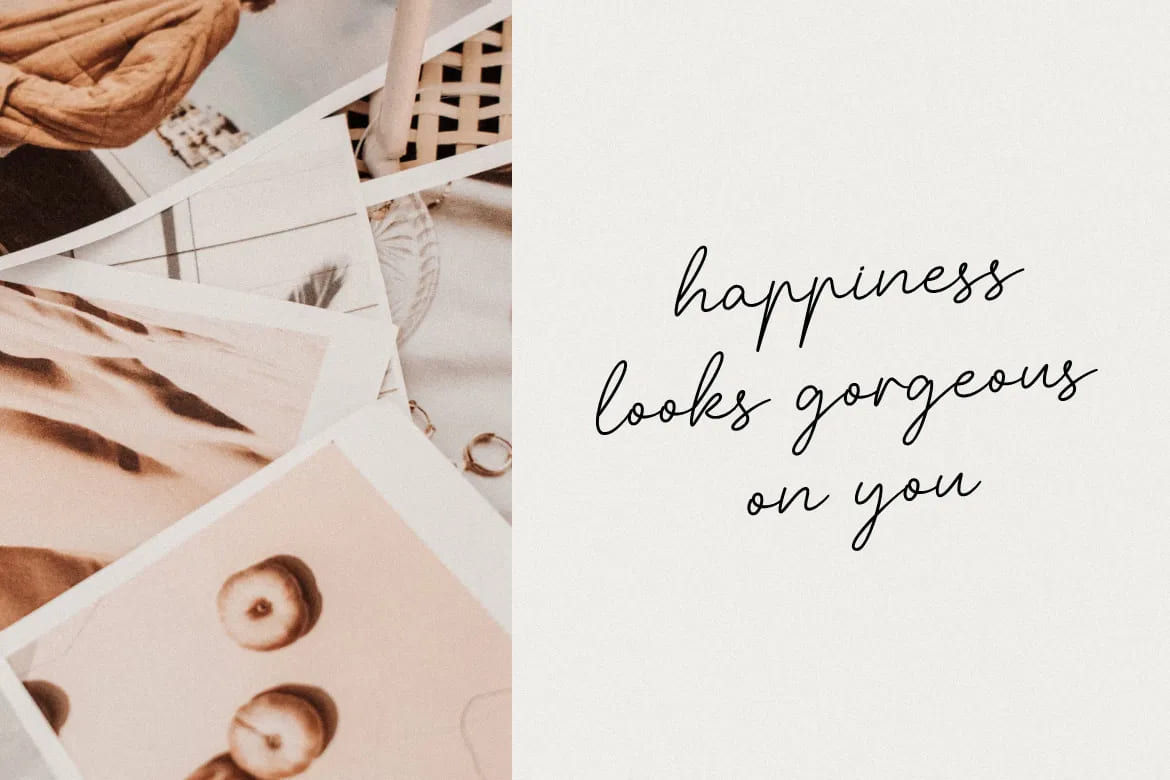
Handwritten styles introduce warmth, personality, and authenticity. They help brands feel human and approachable. Best for creative projects, lifestyle branding, and artisanal visuals.
6. Kinetic and Animated Typography
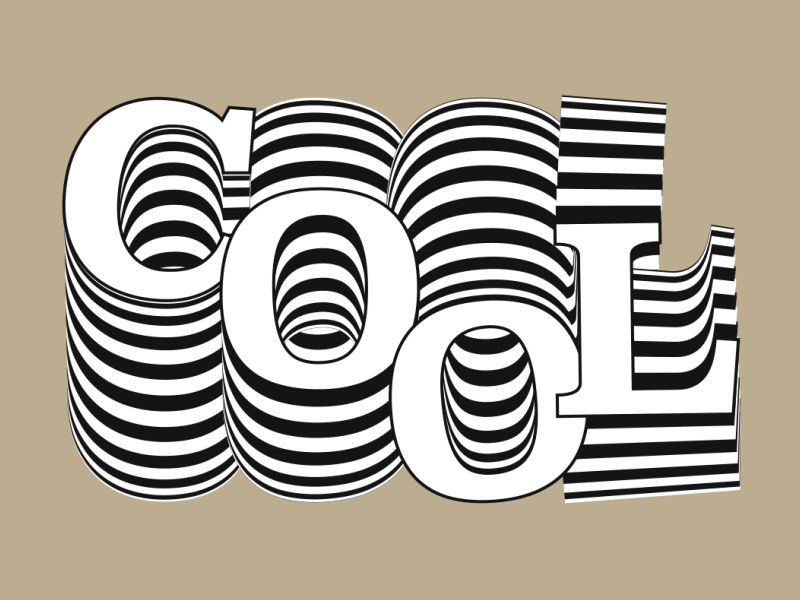
Kinetic typography adds movement that increases engagement. Subtle animations guide attention and enhance storytelling. Perfect for web interactions, video content, and digital campaigns.
7. Retro and Nostalgic Styles
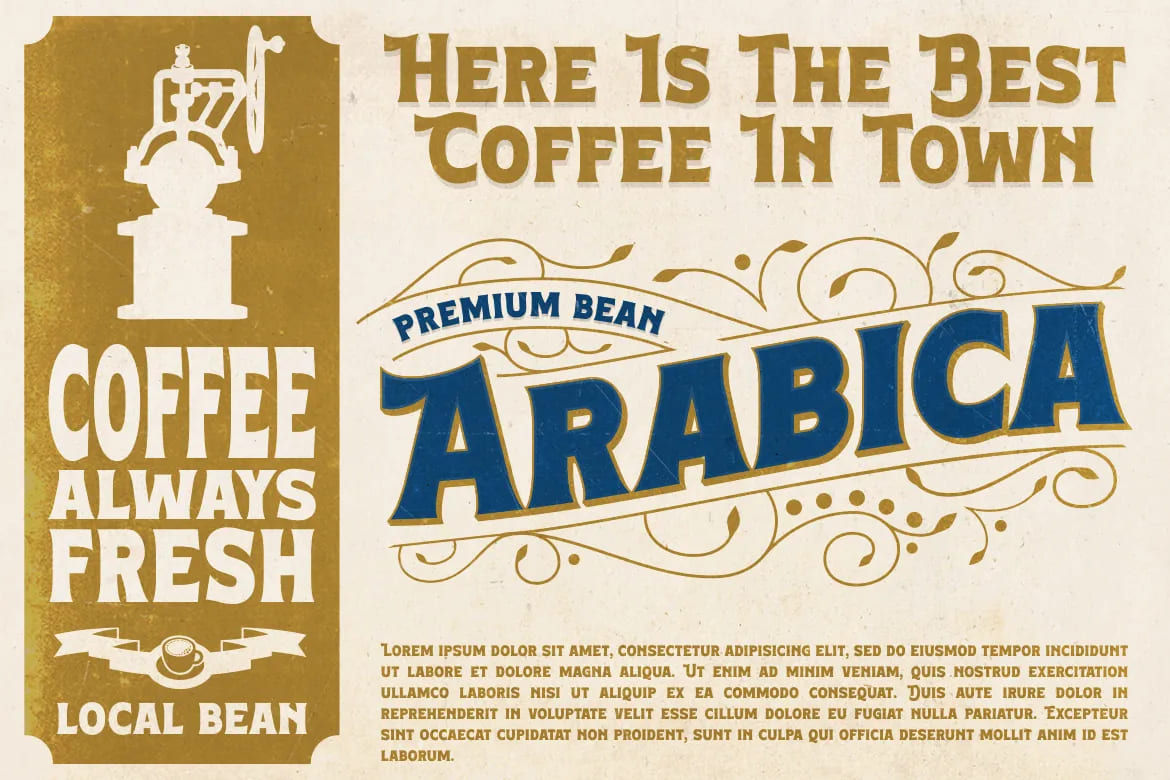
Retro typography evokes emotion through familiar shapes and vintage cues. It brings character without needing complex layouts. Effective for nostalgic branding, youth markets, and creative campaigns.
8. Playful Rounded and Bubble Fonts
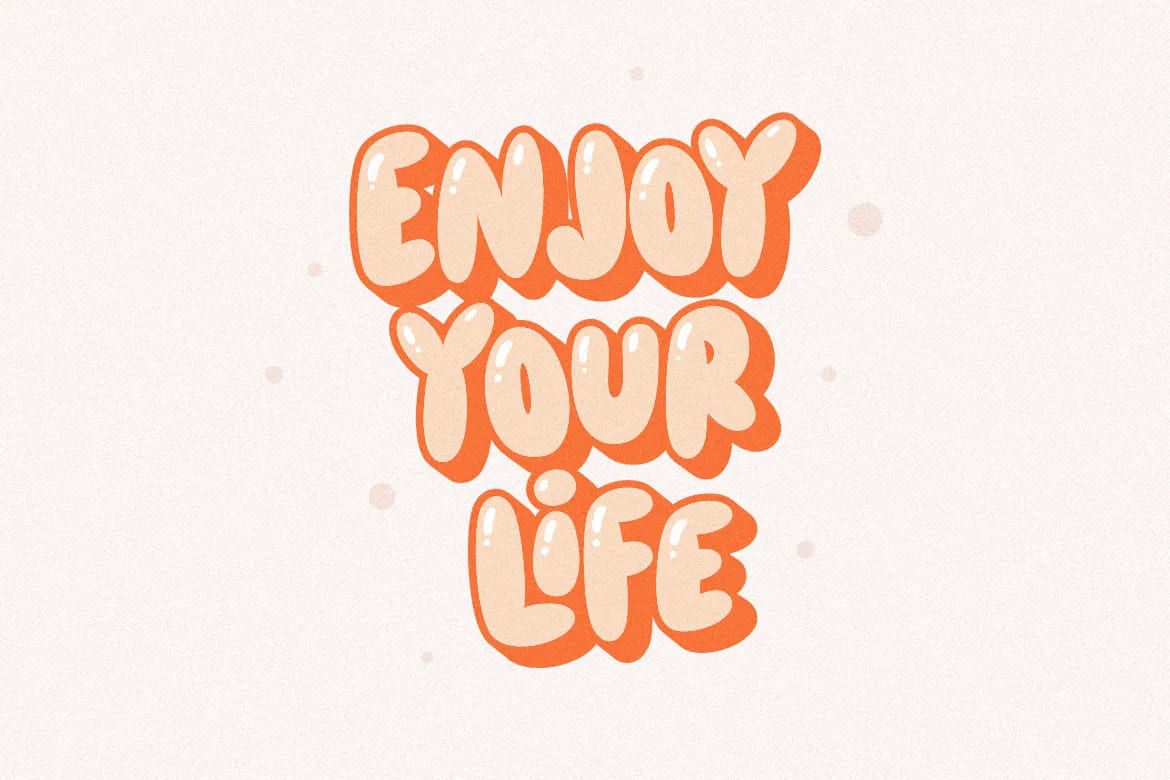
Rounded fonts create a friendly, soft, and inviting tone. Their smooth forms reduce visual tension and feel approachable. Great for lifestyle products, kids’ brands, and informal digital platforms.
Also Read: 15 Best Fonts Bubble for Everyday Designs
9. Experimental and Maximalist Typography
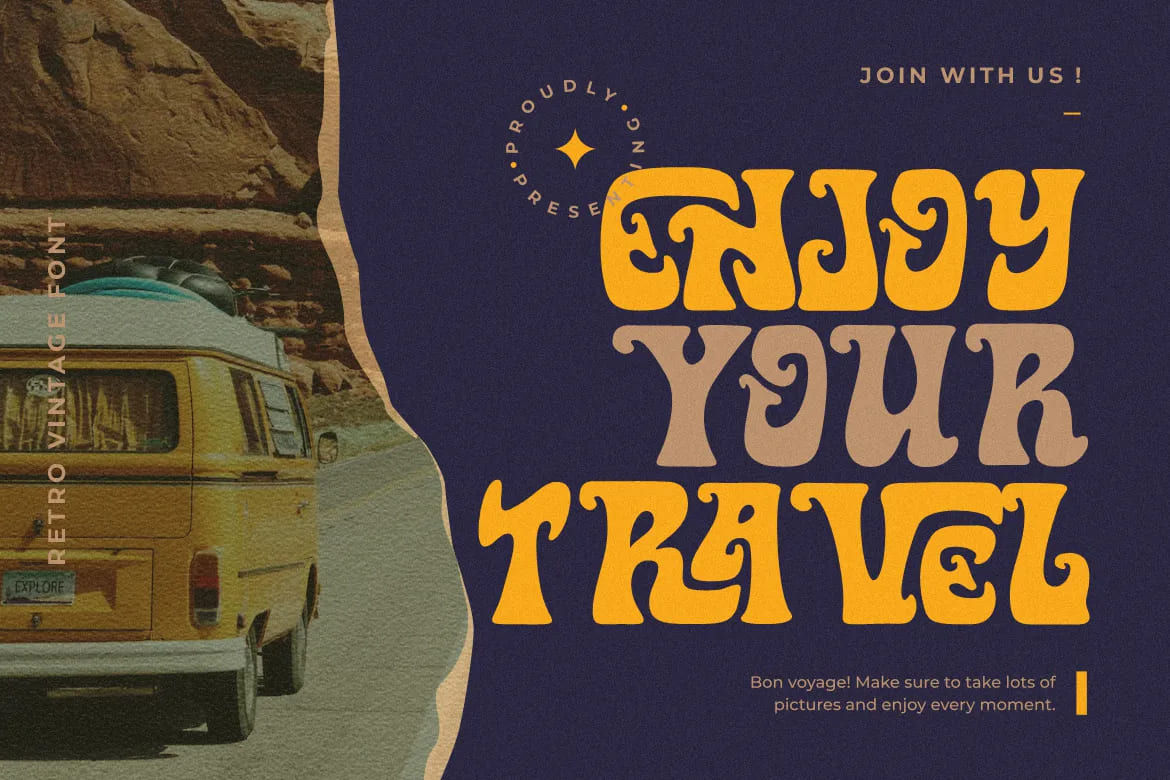
Among today’s standout typography trends, experimental and maximalist styles are gaining strong attention. Designers are exploring bold, decorative, and highly expressive letterforms with overlays, distortions, and unconventional spacing to create a distinctive visual identity.
When used thoughtfully, this approach can produce memorable, attention-grabbing designs, though it still requires careful balance to maintain readability.
10. Hybrid and Futuristic Fonts
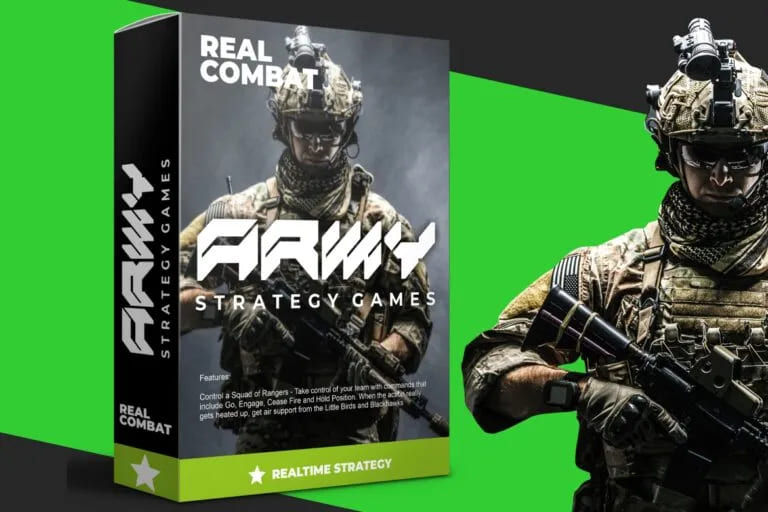
As design converges with tech and digital media, hybrid fonts combining clean geometry, futuristic shapes, and organic letterforms are gaining traction. These typefaces evoke modernity and innovation suitable for tech brands, startups, and digital products.
They help create a forward-looking brand identity, bridging the gap between classic typography and digital age aesthetics.
Also Read: Kawaii Font: Where Typography Speaks Beyond Words
How to Apply Typography Trends the Right Way
Choosing the right typography goes beyond aesthetics—it should communicate your brand’s voice and purpose. Here are a few practical tips to help you apply typography trends wisely:
- Start with your audience: Pick fonts that feel natural and appealing to the people you’re designing for.
- Match the trend to the platform: Ensure the style works well across the medium, whether it’s print, web, or mobile.
- Keep readability first: Even experimental or expressive fonts must stay clear and easy to scan.
- Support hierarchy: Use size, weight, and spacing to guide the viewer’s eye and strengthen your message.
Applying trends with intention ensures clarity, improves engagement, and turns modern typography styles into meaningful design solutions.
Staying Ahead in Modern Typography
The evolving landscape of typography trends shows how visual communication continues to shift across platforms. These movements highlight the need for clarity, personality, and adaptability in modern branding. Staying aligned with them helps designers maintain relevance and strengthen visual storytelling.
Brands now favor bold yet clean typography to create visuals that feel fresh and professional. Equipping yourself with a modern, versatile font makes it easier to bring a strong personality to any design project.
Explore awesome font inspiration from HansCo Studio and elevate your creative work with typefaces that truly make an impact.